Last updated on September 28th, 2026 at 08:59 pm
Walking the trigger is how tournament players shoot so fast. Instead of pulling the trigger repeatedly with one finger, you alternate your index and middle fingers on it, each finger firing as the other releases. Two alternating fingers, roughly double the firing rate, and on an electronic marker that is the difference between a stream of paint and individual shots.
This guide covers the technique, how to practise it, what it needs from the marker, and the honest caveat: fields cap rate of fire anyway, so speed matters less than most new players think.
The Technique
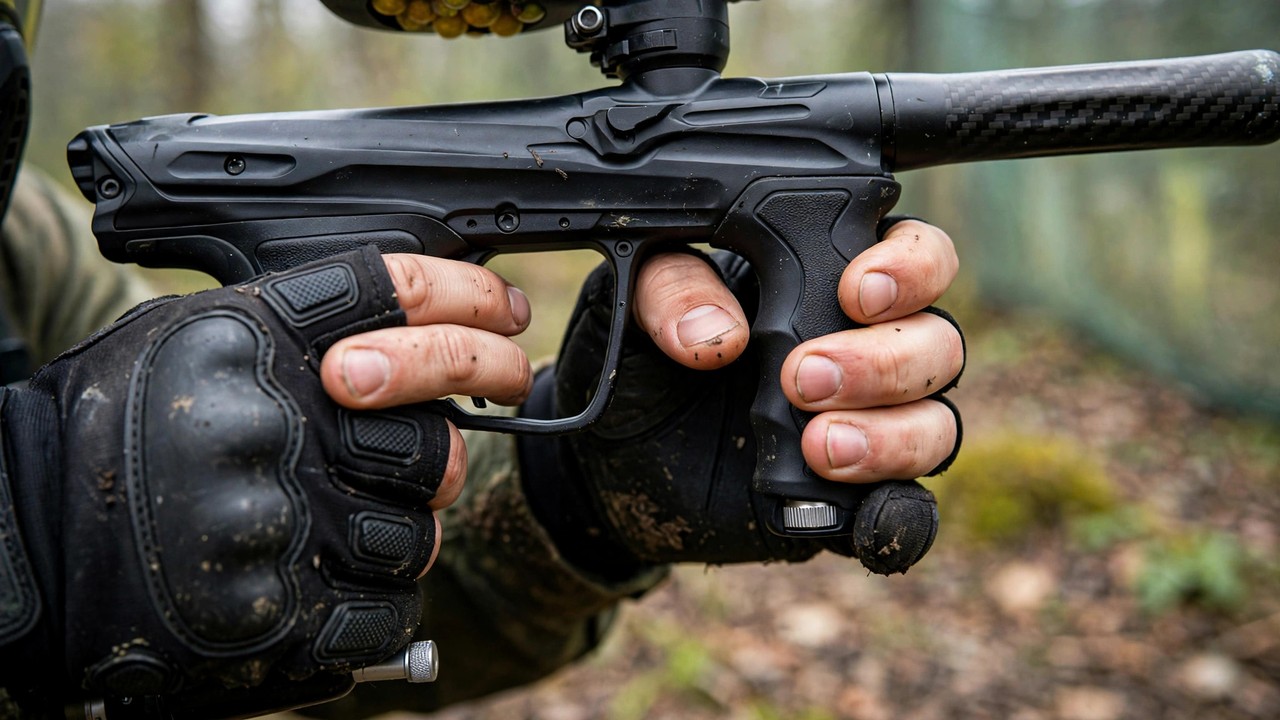
Rest your index and middle fingers on the trigger blade together. Fire with one, and as it lifts, the other lands, so the trigger is being pressed again the instant it has reset. The motion is small and comes from the fingers, not the wrist: think of drumming two fingertips on a desk in strict alternation, then shrink the movement until each tap is only as deep as the trigger’s reset point.
Grip matters more than it looks. The marker has to stay perfectly still while your fingers blur, so the frame is held by your thumb and lower fingers, and your firing fingers stay relaxed. Tension is the enemy: a tense hand walks slowly and shakes the barrel, which is how players end up fast and inaccurate at the same time.
How to Practise It
- Practise off the marker first. Walk your fingers on a desk, a pen, a knee, anywhere. The alternating rhythm is the skill; the trigger is just where you apply it.
- Then dry-walk the marker. Degassed and empty, grip set, working on keeping the barrel motionless while the fingers move.
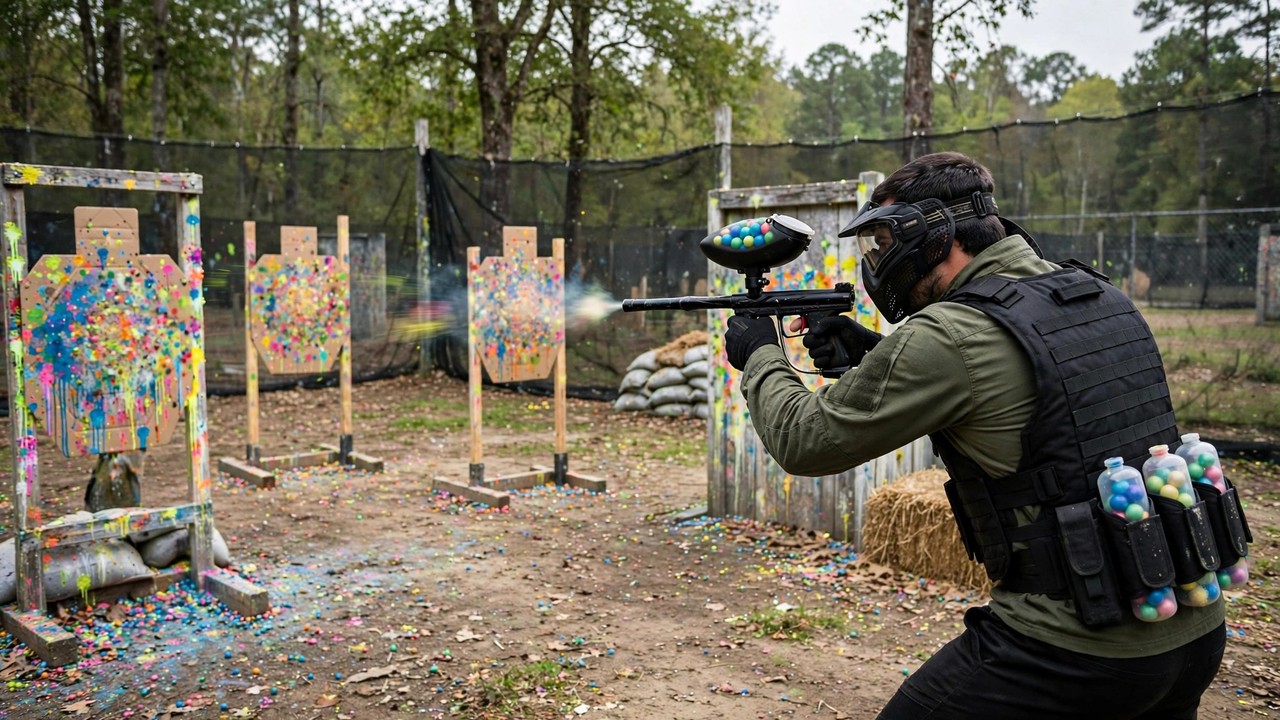
- Add paint last, at a target. Speed with no accuracy is decoration. Walk the trigger at a bunker edge and watch where the stream actually lands.
- Be patient. A clean, fast walk takes months of casual practice to develop. Everyone is slow and uneven at first.
What the Marker Needs
Walking the trigger is an electronic-marker technique. It needs a light trigger with a short reset, which is why electronic frames exist, and a loader that can feed as fast as your fingers ask, which is why force-fed loaders pair with them. A gravity hopper will chop paint the first time you walk a full stream. See the best electronic paintball guns and best paintball hoppers for the pairing, and how a paintball gun works for what the trigger is actually doing.
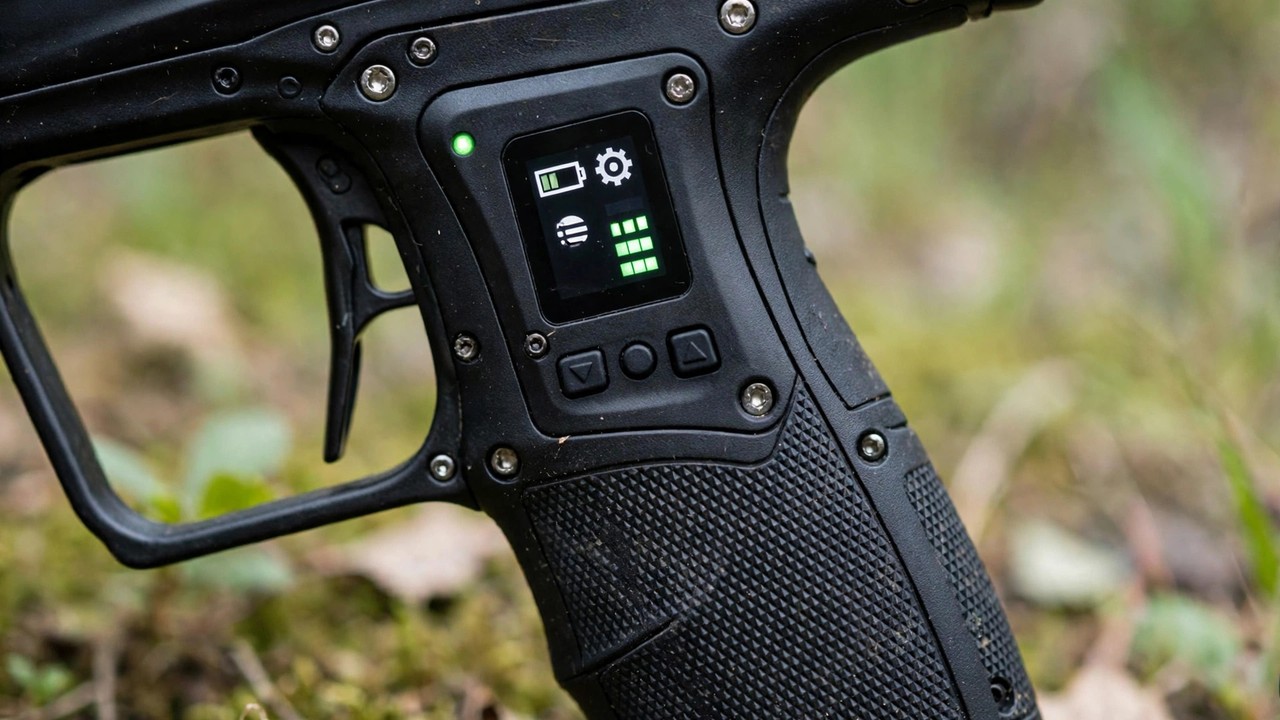
Most electronic markers also let you adjust trigger travel and reset. Setting the reset short and the pull light makes walking dramatically easier, and it is usually a five-minute adjustment with an allen key.
The Honest Caveat: Caps and Modes
Before you spend months chasing finger speed, know the ceiling. Most fields cap rate of fire somewhere between 10 and 15 balls per second, and tournament formats enforce capped ramping modes that reach the limit for you after a few trigger pulls. In those settings, a merely decent walk already hits the cap, and the skill that separates players is putting the stream in the right place, not producing it.
Where a good walk genuinely matters is semi-auto-only play, where every ball needs its own pull and your fingers are the firing mode. The mode rules and what ramping actually is are covered in what ramping is in paintball and the rules of paintball.
Using the Speed Well
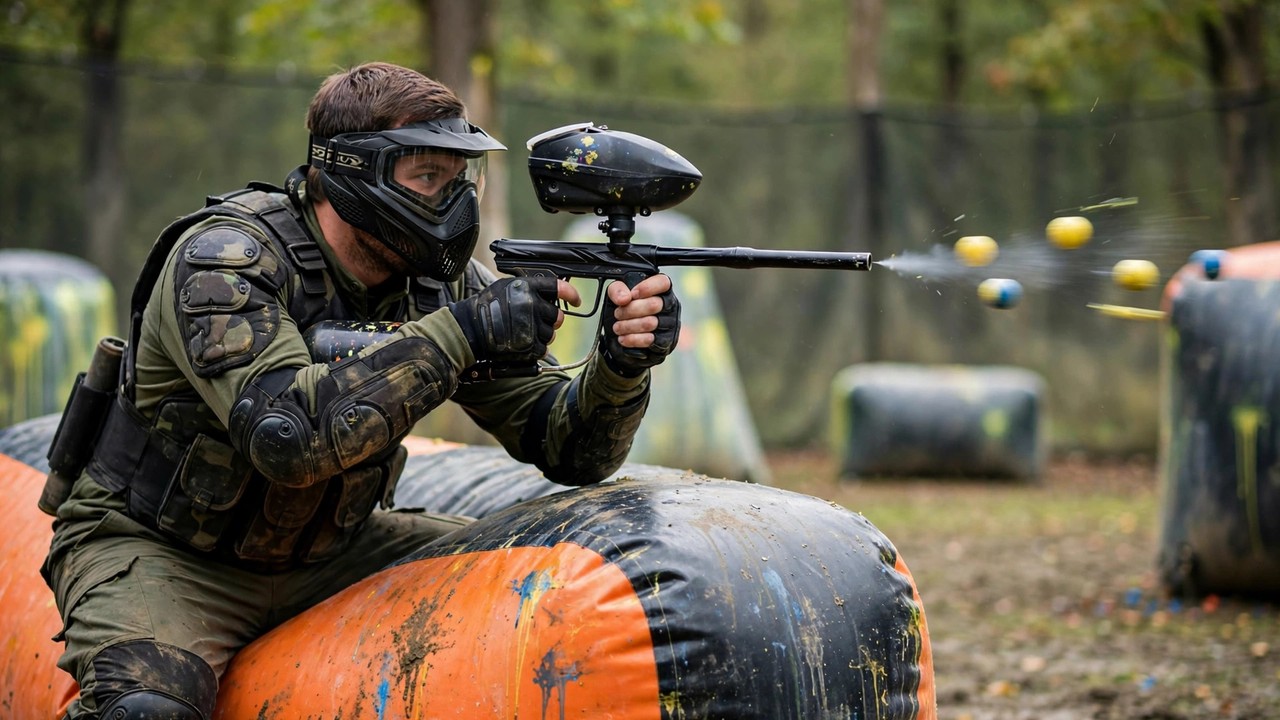
Rate of fire is a tool for specific jobs: holding a lane during a breakout, keeping a defender tucked in while a teammate bumps, and winning the volume half of a sustained gunfight. It does nothing for the aimed, two-ball exchanges that decide snap battles, and burning paint at maximum speed all game is mostly a way to spend money. Fast fingers, deployed rarely and precisely, is the tournament pattern worth copying.
Keeping the Walk Legal and Consistent
Two practical notes before you take a fast walk to a field. First, chronograph with the firing mode you intend to use, because some fields check rate of fire as well as velocity, and a marker set up for uncapped walking may need its board capped to pass. Ask at check-in rather than discovering the rule mid-game. Second, consistency beats bursts: a walk that holds a steady rhythm for a full second of shooting is worth more than a faster one that stutters, because every stutter is a gap a runner crosses through. When you drill, count the rhythm out loud and aim for even spacing before chasing raw speed.
Frequently Asked Questions
Alternating your index and middle fingers on the trigger so one fires as the other releases. Using two fingers roughly doubles your rate of fire compared with pulling repeatedly with one.
Practise the alternating rhythm away from the marker first, on a desk or a pen, then dry-walk the marker while keeping the barrel still, then add paint at a target. A clean fast walk takes months of casual practice.
Realistically yes. The technique needs a light trigger with a short reset and a force-fed loader that can keep up. A mechanical trigger and a gravity hopper will fight you at those speeds.
Fast enough that the field becomes the limit. Most fields cap rate of fire between 10 and 15 balls per second, and tournament ramping modes reach the cap after a few pulls, so a decent walk already hits the ceiling.
For lanes, cover fire and sustained gunfights, yes. For the aimed two-ball exchanges that decide snap battles, no. Speed used rarely and precisely beats holding the trigger down all game.