Last updated on September 28th, 2026 at 08:59 pm
Bumping is how a paintball team gains ground: moving from one bunker to the next one up the field, one player at a time, while teammates keep the defenders’ heads down. It is the unglamorous, repeatable mechanism behind every successful advance you have ever seen work, and the lack of it is why stalled teams stay stalled.
This guide covers the timing, the cover-fire relationship that makes a bump safe, and the bad habits that get players shot between bunkers.
Why Moving Wins Points
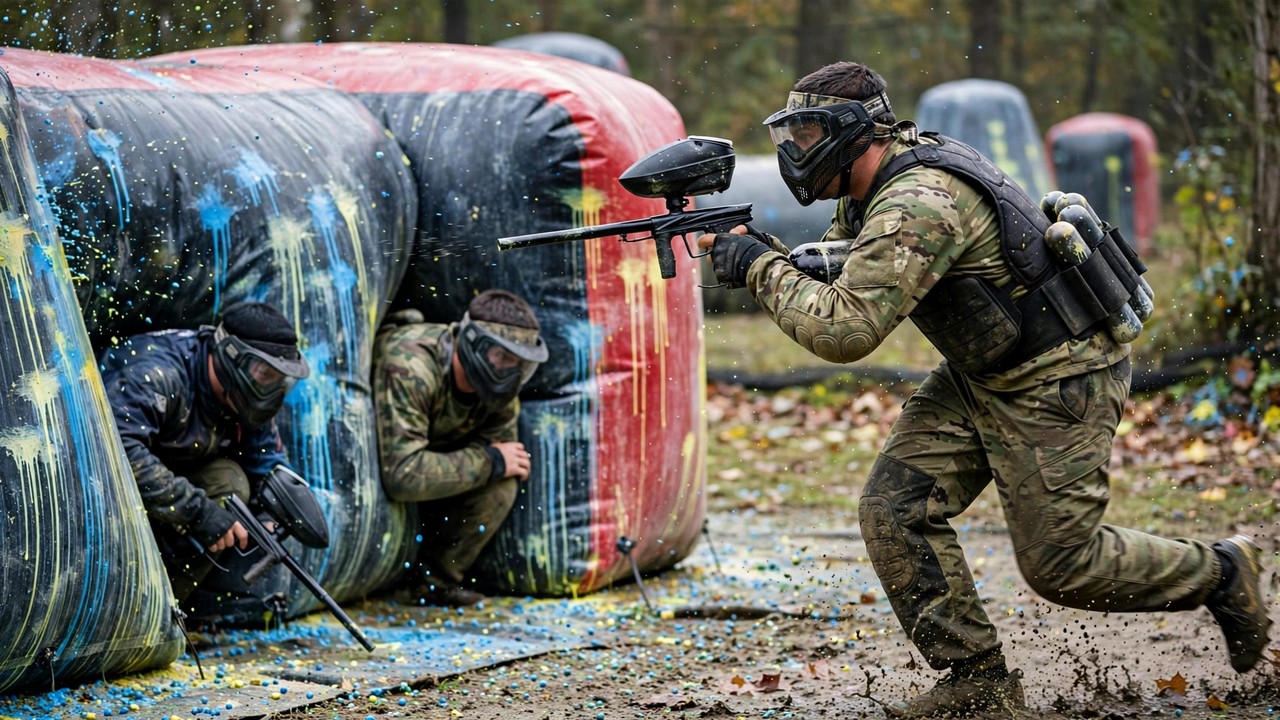
Two teams trading paint from their starting bunkers is a stalemate, and stalemates favour whoever has more paint and patience. Ground changes that. Every bunker you gain shrinks the angles the defenders can hide from, until players who felt safe are exposed from two directions at once. The team that bumps steadily manufactures those crossfires; the team that stays home waits for them to happen to it.
The Core Mechanic: Move on Your Teammate’s Paint
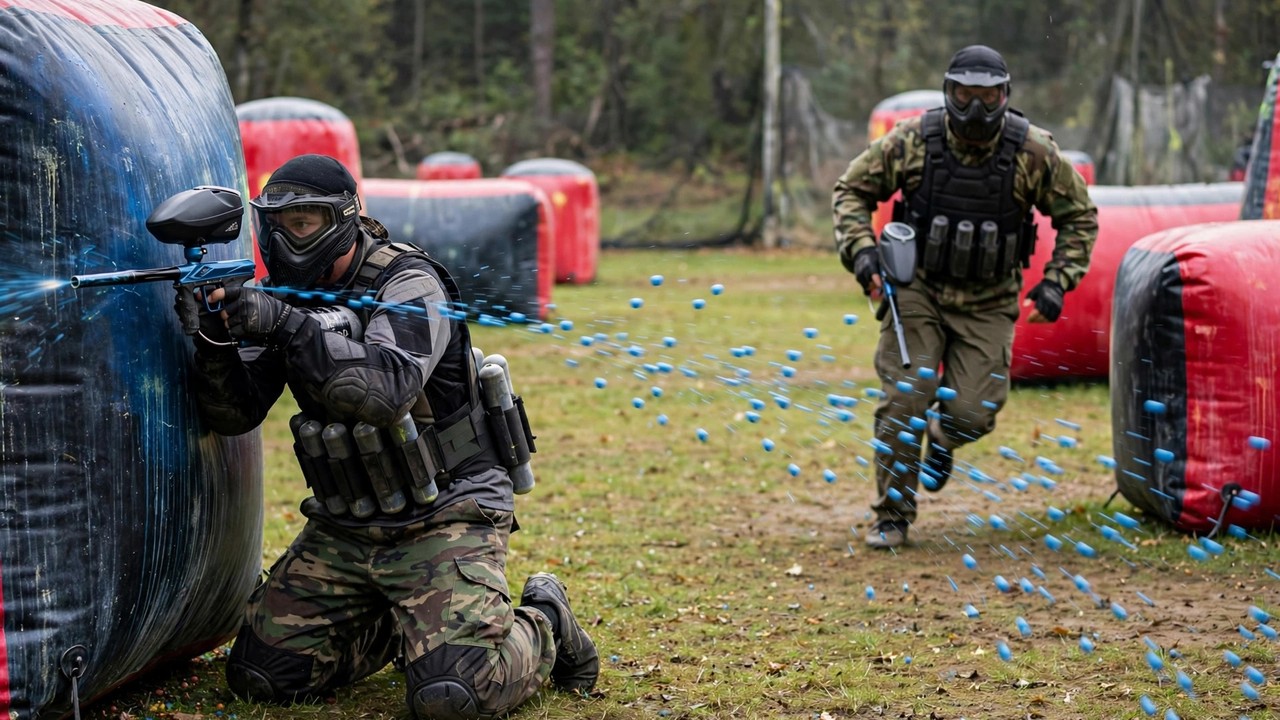
The rule that makes bumping work is simple: someone shoots so someone else can run. Before you leave cover, a teammate should be putting paint on the bunker of every opponent who can see your path. Their defenders tuck in behind cover, and your run happens in the seconds they cannot look.
That timing is the whole skill. Go too early and the defender is still up; go too late and the covering stream has stopped and they are looking again. The cleanest cue is sound and sight together: your teammate’s paint is landing on the target bunker, and the defender’s barrel has disappeared behind it. That is the window.
Running the Bump Well
- Know the destination before you leave. Pick the bunker, the side of it you will land on, and the line between. Deciding mid-run means hesitating in the open.
- Stay low and tight. Sprint bent at the waist with the marker up and in. You are smallest, and ready to shoot, at the same time.
- Move bunker to bunker, not bunker to hope. A bump ends behind cover. If the next cover is too far for one committed sprint, it is two bumps, not one long gamble.
- Land ready. Arrive on the side of the bunker that faces the threat, check your edges, and get your marker back into the game before celebrating the ground you gained.
- Tell your team. A quick callout that you have moved keeps the covering fire pointed at the right defenders and stops a teammate filling the bunker you just left blind. See communication and callouts.
Bumping as a Team Shape
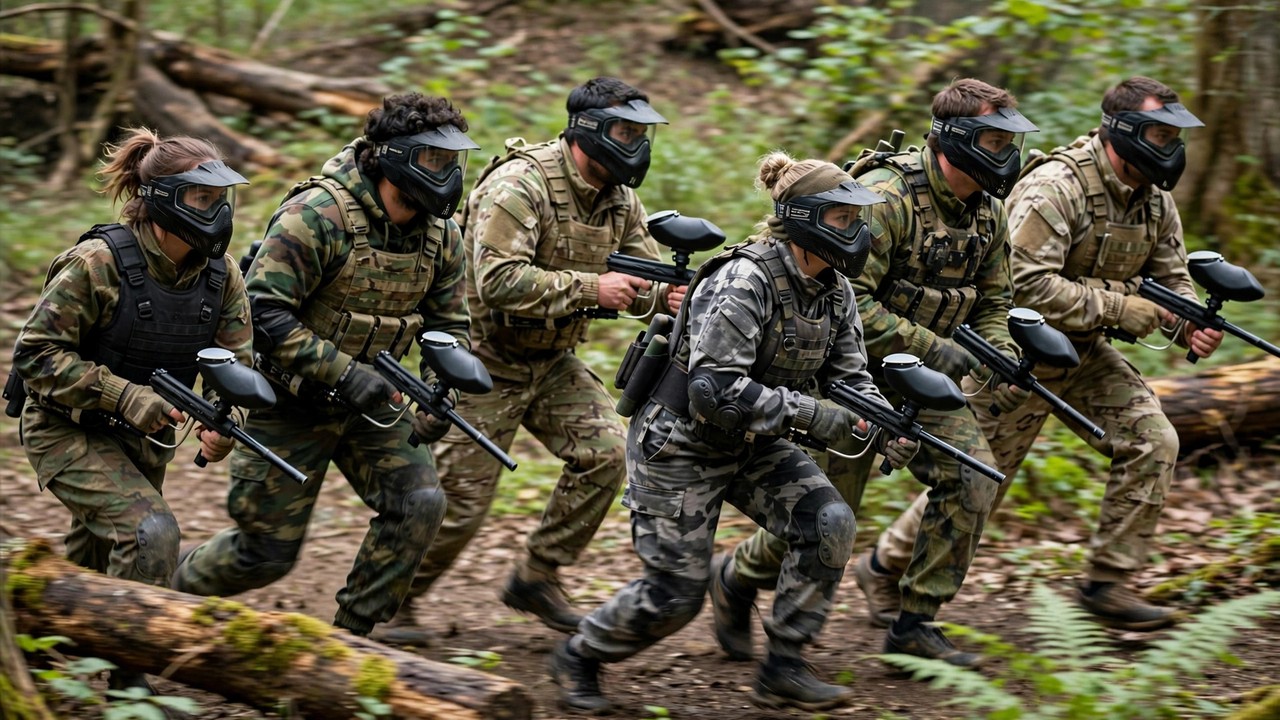
On an organised team the bumps chain: when the front player advances, the mid moves into their old bunker, and the back fills the mid’s. The team keeps its shape while the whole shape slides forward, which is why the positions described in paintball positions never leave gaps behind an advance.
In casual play you rarely get that structure, and a two-player version works almost as well: pair up, alternate who shoots and who runs, and leapfrog up a flank. Two players bumping in alternating turns will reliably out-advance five players who are each waiting for someone else to make the first move.
The Mistakes That Get Runners Shot
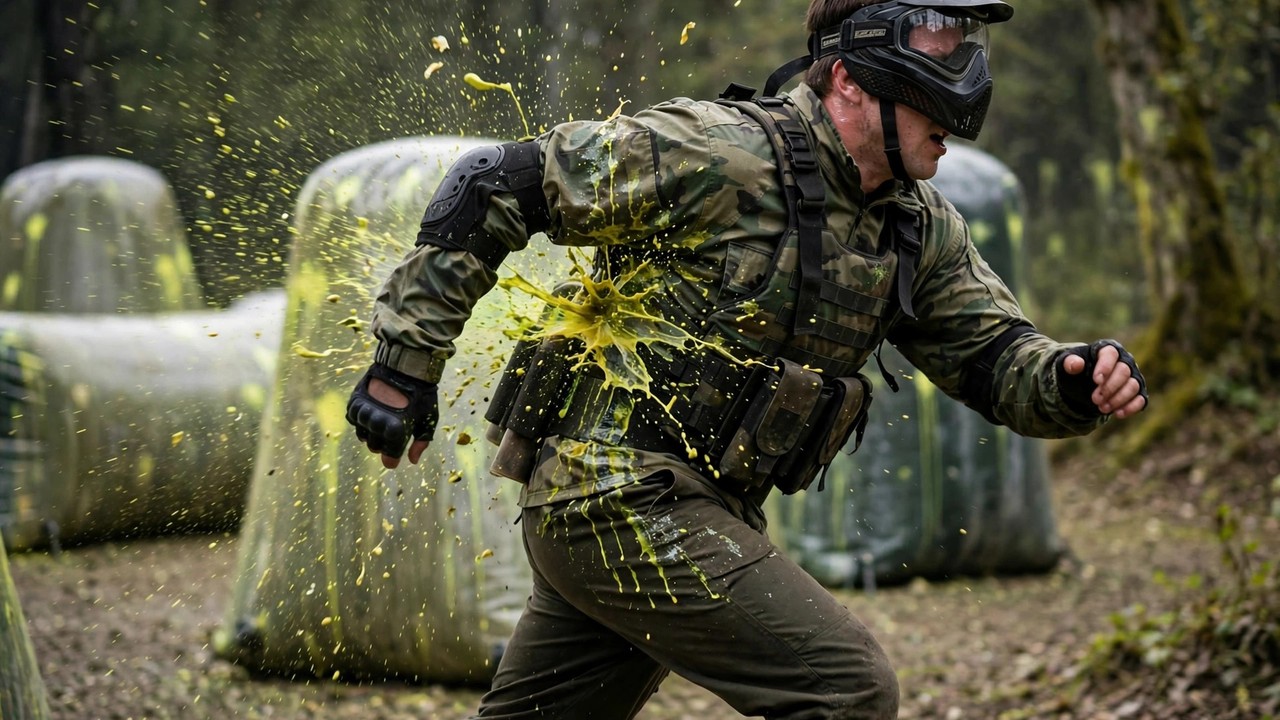
- Moving without cover fire. The most common one. If nobody is shooting for you, every defender with an angle is free to track your run.
- Bumping into a watched lane. If paint has been coming down a corridor all point, do not run through it because you are impatient. That is what laning exists to punish.
- Standing up to run before deciding where. The half-second of upright hesitation is the most shootable moment in paintball.
- Over-bumping. Gaining ground you cannot hold, deep behind the opposing line with no support, turns an advance into an elimination a few seconds later.
Drilling It
Bumping drills need two players and a lane of bunkers. One shoots at a target bunker downfield, the other bumps forward on that paint, then they swap roles and leapfrog back. Score the runs on whether the mover left during live cover fire and arrived ready to shoot. Add a third player as a defender when the timing starts feeling automatic.
The skill sits between the opening sprint covered in the breakout and the finishing move covered in bunkering. Chain all three and you have the whole movement game; the strategy around it lives in how to win at paintball.
Frequently Asked Questions
Bumping is moving from one bunker to the next one up the field, usually one player at a time while teammates keep the defenders tucked in with covering fire. It is how teams gain ground.
When a teammate's paint is landing on the bunker of every opponent who can see your path, and the defender's barrel has disappeared behind cover. That covering-fire window is the whole timing of the move.
One committed sprint to the next cover, never further. If the next bunker is too far for one sprint, treat it as two bumps. A bump that ends in the open is a gamble, not a move.
Moving without cover fire, running through a lane that has been shot all point, standing up before deciding where to go, and over-bumping into ground you cannot hold.
In chains: the front player advances, the mid fills the front's old bunker, the back fills the mid's. The team keeps its shape while the whole shape slides forward, which is why organised advances leave no gaps.