Last updated on August 28th, 2026 at 06:44 pm
Whether you’re renting gear or bringing your own, showing up properly prepared makes your first paintball day far more fun. At minimum you need a marker, mask, air, and paint, but the difference between a good day and a miserable one is in the details: the right clothes, gloves, water, and a few small extras. Here’s a complete checklist of what to bring for paintball.
- Core gear: marker, hopper, air tank, and a full-face mask.
- Paint: enough paintballs plus pods to carry them.
- Clothing: long sleeves, long pants, and closed-toe shoes.
- Extras: gloves, water, snacks, a squeegee, and a towel.
Field Day Packing Checklist
Tick things off as they go in the bag.
Core Gear
Paint & Pods
Clothing
Extras
The list mirrors this guide. Many fields are field-paint-only, so check before buying paint elsewhere.
The Essential Gear
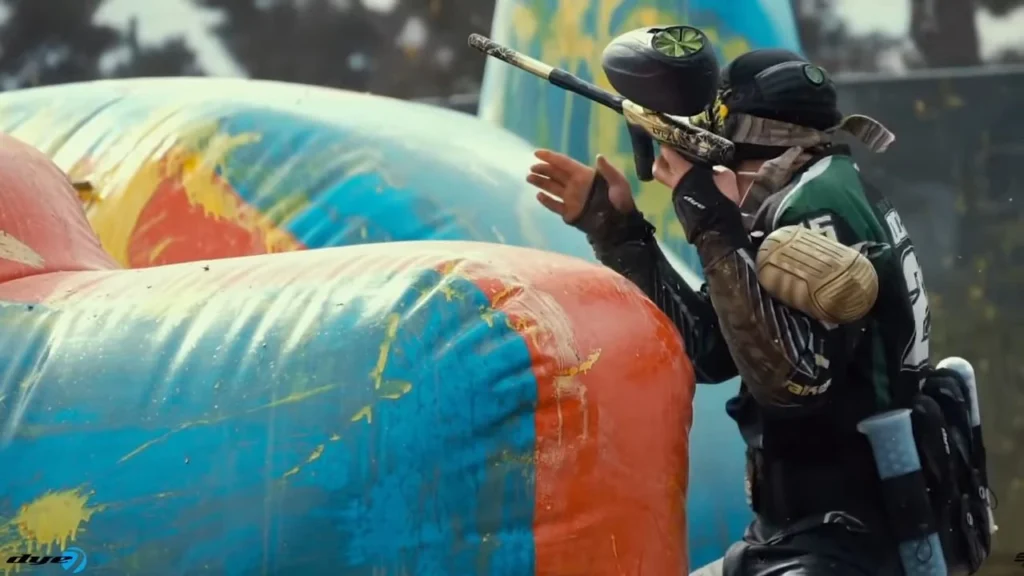
These four are non-negotiable, you can’t play without them, and most fields rent them as a package if you don’t own your own:
- Marker (paintball gun), a reliable marker to match your play style; rentals start around field rate, or you can buy an entry gun from roughly $40–$200.
- Hopper (loader), sits on top and feeds paint into the marker.
- Air tank, CO2 or HPA to power the marker; fields fill these on site.
- Mask, a full-face paintball mask is mandatory and the one thing you should never skimp on.
Paint and Pods
Bring enough paint for the day, roughly 200 balls per hour of play is a good starting estimate, so 500–1,000 for a typical outing. Carry it in pods (tubes that hold about 140 rounds each) on a pod pack or harness so you can reload without walking off the field. Most fields sell paint on site and often require you to use their paint, so check before bringing your own.
What to Wear
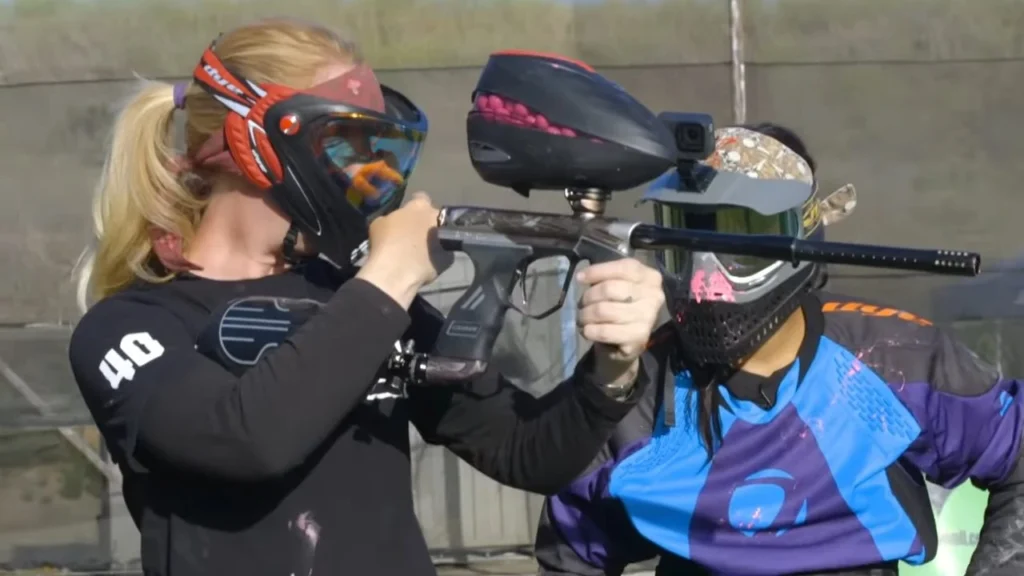
Dress to cover skin and cushion hits. Wear long sleeves and long pants, loose layers like a hoodie absorb impact, plus gloves to protect your hands, which take some of the most painful hits. On your feet, wear closed-toe athletic shoes or cleats with grip for the terrain. Pick darker colors for woodsball or your team’s colors for organized play, and dress for the weather in layers you can adjust.
The Extras That Make the Day Better
- Water and snacks, you’ll sweat and burn energy fast; staying hydrated matters.
- A squeegee or barrel swab, to clear a broken ball out of your barrel quickly.
- A barrel sock/plug, required in staging areas for safety.
- A towel and change of clothes, you’ll get muddy and painty.
- Sunscreen, a hat, and some cash, for sun, breaks, and buying extra paint or air.
What to Rent vs. Buy
If you only play a few times a year, a rental package (marker, mask, hopper, and tank) is the cheapest way to go, just bring your own clothes, gloves, water, and a positive attitude. If you’re getting into the sport, buying your own mask first (for fit and comfort), then a marker, is the usual progression before investing in the rest.
A Quick Pre-Game Checklist
Before you leave the house, run through the essentials so nothing gets forgotten: marker, mask, hopper, and air tank; enough paint plus pods to carry it; gloves and closed-toe shoes; long clothing you don’t mind staining; and the small extras, water, snacks, a squeegee, a barrel sock, and a towel. Add cash or a card for extra paint and air, and photo ID if you’re renting. Ten minutes with a checklist saves a frustrating discovery at the field.
What the Field Usually Provides
You don’t have to bring everything. Most fields rent the core gear as a package, sell paint on-site (and often require you to use theirs), and fill air throughout the day. Many have a staging area, restrooms, and food or drinks for sale. A quick call or look at the field’s website before you go tells you exactly what’s included so you only pack what you actually need to bring yourself.
First-Timer Tips
If it’s your first visit, arrive early so you’re not rushed through sign-in, the waiver, and the safety briefing. Listen carefully to the marshals, keep your mask on at all times inside the netted area, and start at a relaxed pace before throwing yourself into the action. Coming prepared and unhurried is the difference between a stressful first day and one that turns you into a regular.
Gear to Add as You Get More Serious
Once you’re hooked, a few additions make a real difference. A pod pack or harness lets you carry more paint into the game; a remote line or a larger air tank extends your playing time; and dedicated protective gear like knee pads and a chest protector lets you play more aggressively. None of it is needed on day one, but each piece earns its place as you play more often.
Packing for the Weather
Check the forecast before you pack. For hot days, add extra water, sunscreen, and a moisture-wicking change of clothes; for cold days, throw in thermal base layers and gloves; and for wet days, bring a towel, a spare set of dry clothes, and shoes with good grip. A little weather-appropriate packing is the difference between playing all day and calling it early.
Renting vs. Bringing Your Own
Finally, decide what to rent and what to bring. New players are usually best renting the big gear, marker, mask, hopper, and tank, and simply bringing clothes, gloves, water, and a good attitude. As you commit to the sport, buying your own mask first (for fit and comfort) and then a marker is the natural progression before investing in the rest of a kit.
Conclusion
Bring the four essentials, marker, mask, air, and paint, then round it out with proper clothing, gloves, closed shoes, water, and a few small tools. Rent the big gear if you’re new, dress in layers you don’t mind staining, and you’ll be set for a great day on the field.
FAQs
Long sleeves and long pants in loose layers (a hoodie works well), gloves to protect your hands, and closed-toe athletic shoes or cleats. Cover exposed skin to cushion hits, and choose dark or team colors. Dress for the weather in layers you can shed.
The essentials are a marker, hopper, air tank, and mask, usually available as a rental package, plus paint and pods. Add gloves, long clothing, closed-toe shoes, water, snacks, a squeegee, and a towel. Bring cash for extra paint or air.
Plan for roughly 200 paintballs per hour of play, so about 500–1,000 for a typical outing. Fast games use more and slower woodsball fewer, so buy a little extra rather than running out mid-game.