Last updated on August 28th, 2026 at 06:46 pm
Here’s the honest answer: most professional paintball players don’t get rich from playing, and many hold day jobs alongside competing. Paintball isn’t a high-paying pro sport like football or basketball, income comes from a mix of modest team pay, sponsorships, prize money, and side work like coaching. A top handful of players do well; the majority earn relatively little directly from the game.
- Team pay: usually modest; only top-tier pros see meaningful salaries.
- Sponsorships: often free or discounted gear, sometimes cash for the best-known players.
- Prize money: real but split across a team and inconsistent.
- Side income: coaching, lessons, content, and pro-shop work fill the gap.

Why There’s No Single Number
Paintball earnings swing wildly from player to player and season to season, which is why you won’t find one clean figure. A pro’s income depends on their team, their sponsors, how deep they run in tournaments, and whatever they earn on the side. Two players on the same field can make very different amounts, one funded largely by sponsors and coaching, another essentially playing for love of the game while working a normal job.
Where the Money Actually Comes From
- Team salaries and stipends, the top professional teams may pay their star players, but for most, “pro” means covered travel and entry fees rather than a paycheck.
- Sponsorships, the biggest lever. Established players get gear deals and, at the top end, cash to represent brands; most get product rather than a salary.
- Prize money, major events pay out, but winnings are split among the roster and can’t be relied on season to season.
- Coaching, clinics, and content, many pros earn as much from teaching, running camps, streaming, or working in the industry as from playing.
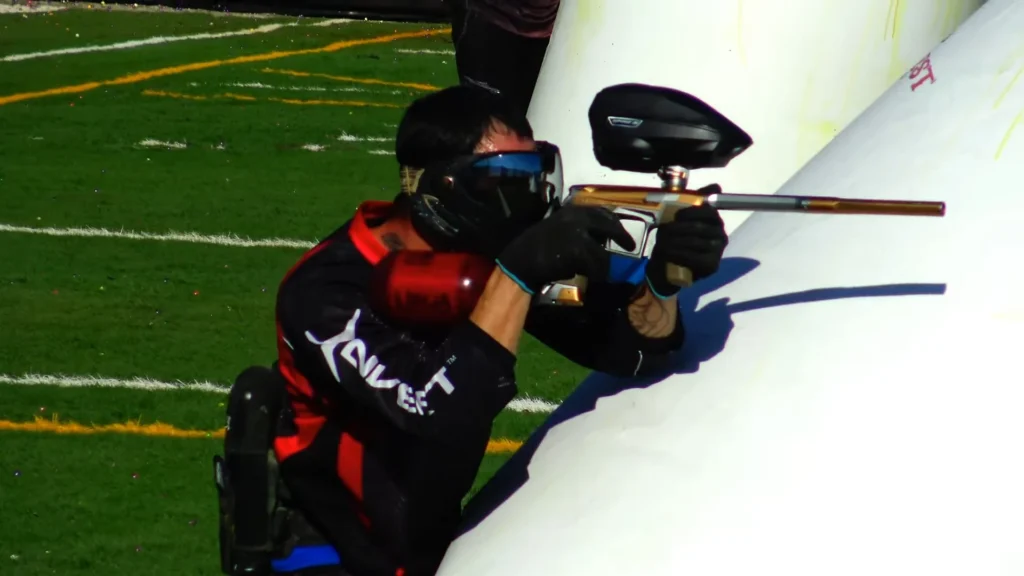
So What Do They Realistically Earn?
For the vast majority of pros, direct playing income is small, often just enough to offset the considerable costs of travel, paint, and gear. A limited number of highly recognized players, backed by strong sponsorships and coaching income, can pull their combined paintball earnings into the tens of thousands a year. Genuinely making a full living from paintball alone is rare, and almost always comes from building a brand and business around the sport, a team, a store, a coaching operation, rather than tournament play by itself.
What Professional Paintballers Actually Earn
The honest figures are sobering. In the NXL, the top US league, only around 20% of pros earn a paycheck at all, and those who do typically start near $10,000 a year from team contracts, rising to roughly $15,000–$40,000 for established players. A small number of superstars on winning teams can clear $100,000 once sponsorships and tournament bonuses are added in. These salaries aren’t paid by the league itself, they come from team owners and sponsors, which is why they vary so much from team to team.
Tournament purses are real but thin once shared. A major event might pay out $20,000–$50,000, but that’s split among a roster of three to seven players and doesn’t come at every event, so even a strong run rarely adds up to dependable income on its own.
Why Most Pros Can’t Live on Paintball Alone
The cost of competing eats into whatever comes in. High-end markers, relentless paint use, constant travel, and entry fees quickly erode earnings, so a player’s net income is often far below the headline number. It’s telling that an estimated 62% of NXL players hold down a second job. For the majority, “going pro” means covered travel and free gear rather than a real wage, and the players who do make a living almost always earn it from a business built around the sport: coaching, running camps, creating content, or owning a pro shop, rather than from tournament play by itself.
Can You Get Sponsored in Paintball?
Sponsorship is the main way players offset costs before any salary appears. It usually starts small, discounted or free gear from a brand in exchange for representing it, and grows with your results and following. Only well-known, competitive players attract cash sponsorships. Building a reputation, posting content, and placing well at events is how most players work their way from paying for everything themselves toward getting their gear covered, and eventually, for a fortunate few, getting paid to play.
How the Top Players Build an Income
The pros who do earn a real living almost never rely on playing alone, they build a brand around it. That means a mix of coaching and running clinics, creating content on YouTube or social media, securing gear and cash sponsorships, and sometimes owning a store or a team. In effect, competing at the top level becomes the marketing that powers everything else. It’s a useful lesson for anyone chasing the dream: treat paintball as a business to build, not just a game to win, and the income follows the audience and reputation you create.
The Takeaway
People play professional paintball for the love of competition, not the paycheck. If your goal is to go pro, expect to fund much of it yourself early on, chase sponsorships as you build a name, and diversify into coaching or the industry if you want it to pay. It’s a passion first, the income, for most, is a bonus rather than a salary.
FAQs
Most don’t make a full living from playing alone. Income comes from modest team pay, sponsorships (often gear rather than cash), split prize money, and side work like coaching. Only a small number of top, well-sponsored players earn significant amounts.
Through a mix of team stipends, sponsorship deals, tournament prize money, and side income such as coaching, running camps, content creation, and working in the paintball industry. For most pros, the side income matters as much as the playing.
It’s rare to live on tournament play alone. The players who make a full-time living usually build a business around the sport, coaching, a team, a pro shop, or a media presence, rather than relying on winnings and salaries from competing.