Last updated on September 28th, 2026 at 08:57 pm
Hydro testing, formally hydrostatic requalification, is the periodic pressure test that federal regulations require compressed air and CO2 cylinders to pass at set intervals. For paintball tanks the rule of thumb is simple: most bottles are due every five years, carbon fiber tanks also age out completely at fifteen years, and no reputable field or shop will fill a tank that is out of date. The test date is stamped or labeled right on the cylinder.
Here is how the system works, how to read your own tank, and what a test involves.
Hydro Due-Date Checker
Find out when your tank is due for its next hydrostatic test.
Why Tanks Must Be Retested
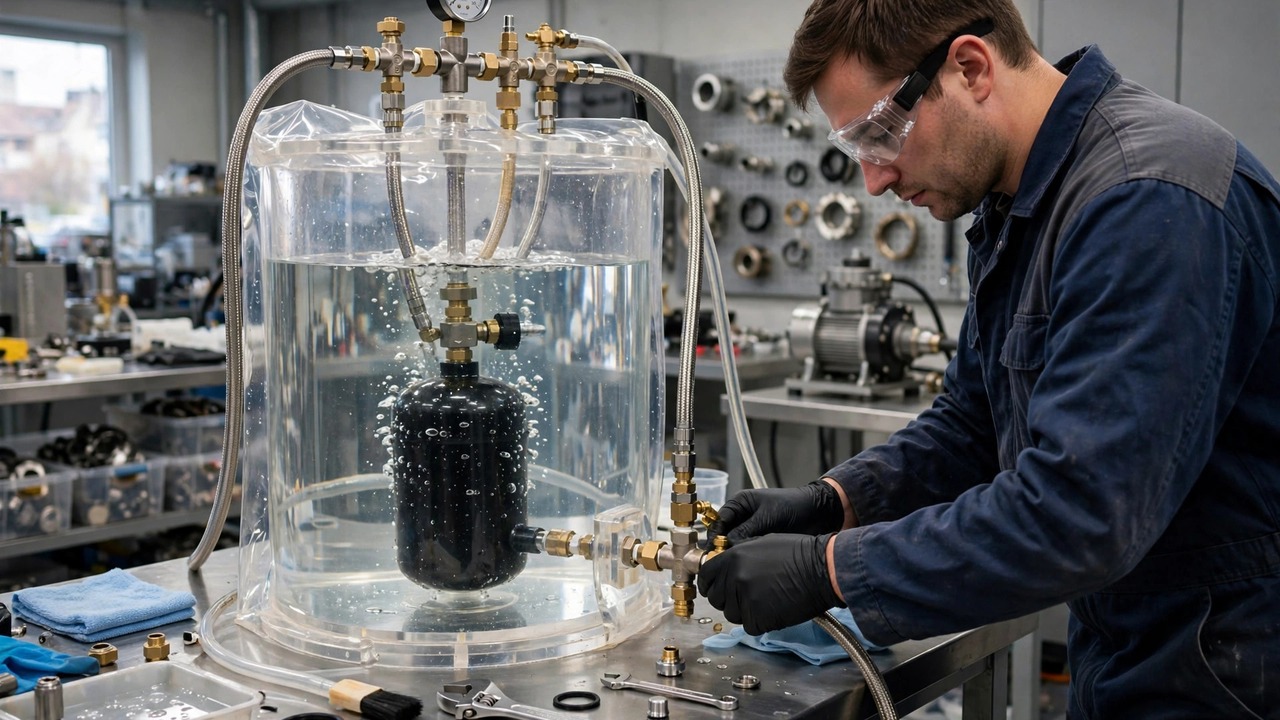
A paintball tank is a pressure vessel regulated by the Department of Transportation. An HPA bottle holds 3,000 to 4,500 psi, which is why the DOT treats it like any other compressed gas cylinder and requires periodic requalification: an internal and external inspection plus a pressure test that proves the vessel still has its structural integrity. Aging, impacts, dropped tanks, and corrosion all degrade cylinders in ways a visual glance cannot catch.
In the test itself, the cylinder is stripped, inspected inside and out, then pressurized well beyond its service pressure inside a water jacket while the equipment measures how much the cylinder expands and whether it returns to shape. Pass, and the tester stamps or labels a new date and the tank is good for another cycle. Fail, and the tank is condemned, which is the system working as designed.
The Intervals: Five Years, and Fifteen for Composite Life
The two numbers every tank owner needs:
- Aluminum Tanks: requalify every five years, with no fixed retirement age. A sound aluminum bottle can keep passing tests and keep being filled indefinitely.
- Carbon Fiber Tanks: requalify every five years, and the cylinder has a fifteen-year service life from its manufacture date. After fifteen years it is retired regardless of condition, and testers will not requalify it.
- Small CO2 Cartridges: single-use 12 gram and similar cartridges are not requalified at all; they are used and recycled.
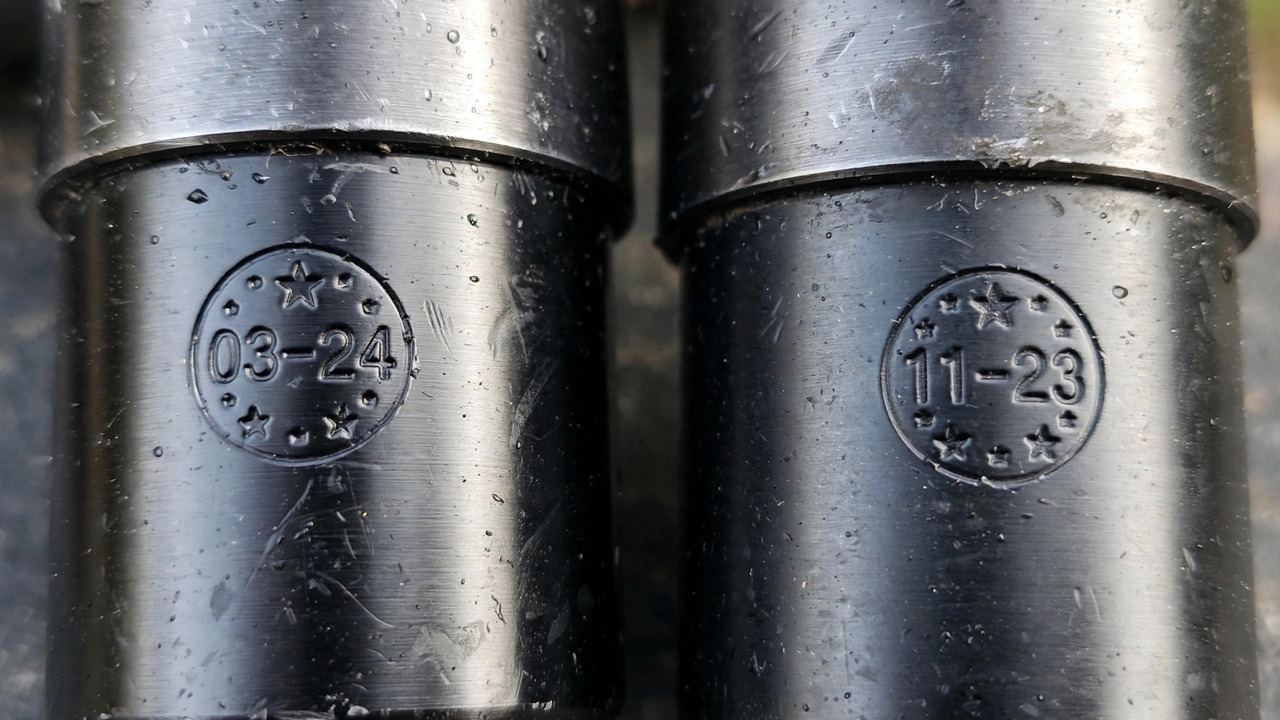
Find your dates on the tank itself: the manufacture date is stamped on the cylinder neck or crown or printed on the label, and each requalification adds a new date stamp or sticker from the retester. If the newest date on a five-year tank is more than five years old, the tank is out of hydro today. Our guide to how long paintball tanks last covers the aging question in more depth.
What Out of Hydro Means in Practice
An out-of-date tank is not necessarily unsafe, but nobody downstream is allowed to assume that. Fill operators refuse expired cylinders because filling one violates the regulations they operate under, so an expired tank is effectively a paperweight until it is retested: fields will turn it away at the air station, and so will every legitimate fill location from dive shops to pro shops. If you are buying a used tank, the date stamp is the first thing to check, before price, before brand.
Getting a Tank Tested
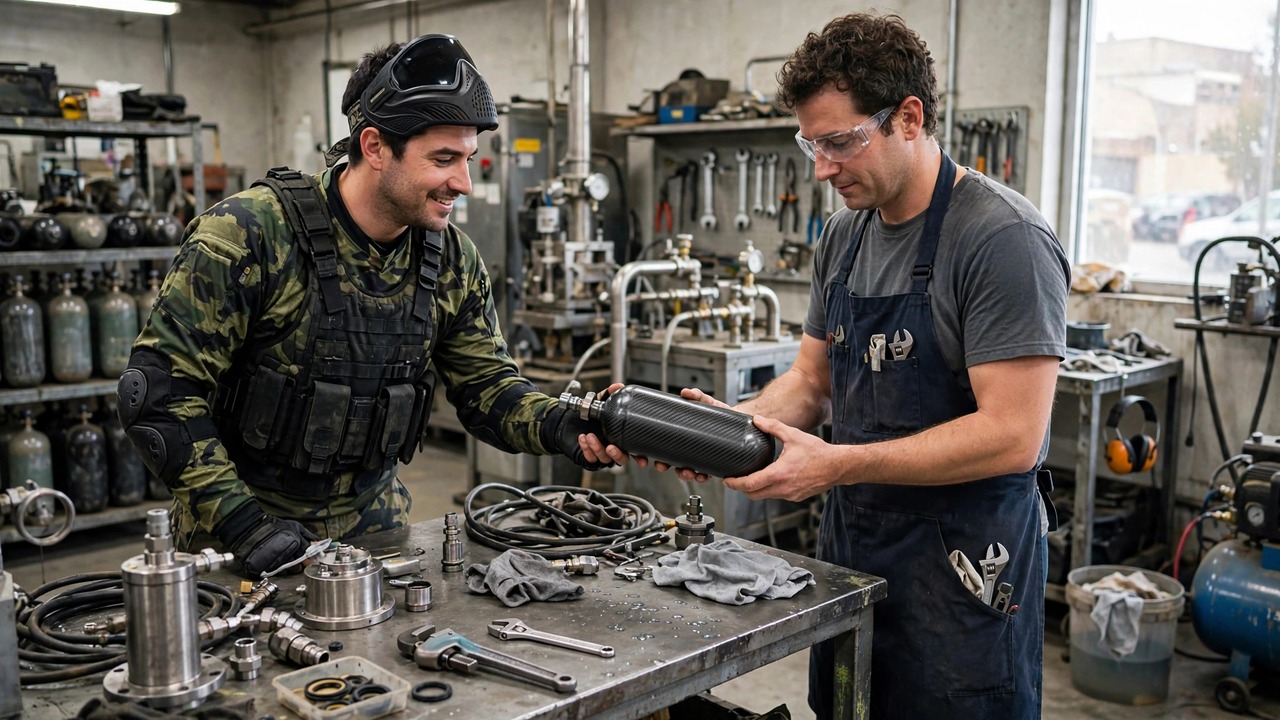
Hydro testing is done by DOT-authorized retest facilities, and the paintball world has built convenient paths to them: many paintball retailers and larger pro shops run mail-in or drop-off hydro services, and fire extinguisher and welding gas companies in most cities test cylinders as their daily business. The process typically takes days to a couple of weeks including shipping, and the cost is a modest fraction of a new bottle's price for a standard tank.
One honest piece of math before you ship anything: for a small or aging aluminum bottle, and for any carbon fiber tank near its fifteen-year retirement, compare the test cost against replacement. Testing a tank that ages out in two years rarely makes sense, and a new tank comes with a fresh date and current technology. When a bottle does reach the end of the road, retire it properly: our guide to disposing of old CO2 tanks applies to HPA bottles too.
The habit that makes all of this painless is checking the date once a season, the same day you check your fill setup and o-rings. Five years is a long cycle, which is exactly why it is easy to blow past without noticing.
Two buying notes follow directly from those intervals. A used carbon fiber tank's price should scale with the years left before its fifteen-year retirement, not just its condition, so a nine-year-old bottle at a barely discounted price is a bad deal however clean it looks. And whichever type you own, the burst disk in the regulator is a separate safety device with its own job: if one ever vents, replace it with the correct rating, never a plug, and have the tank looked over before its next fill.
Frequently Asked Questions
Every five years for standard aluminum and carbon fiber paintball tanks. Carbon fiber bottles also have a fifteen-year total service life, after which they are retired.
No legitimate fill location will fill it, from fields to dive shops, because filling an expired cylinder violates the rules they operate under. The tank must be retested before it can be filled again.
The manufacture date is stamped on the cylinder neck or crown or printed on the label, and each requalification adds a new stamp or sticker. The newest date plus five years is your deadline.
Typically days to a couple of weeks including shipping when done through a paintball shop's mail-in service. Local fire extinguisher and welding gas companies often test cylinders faster.
No. Single-use cartridges are not requalified; they are used once and recycled. Requalification applies to refillable HPA and CO2 cylinders.