Last updated on September 29th, 2026 at 04:58 am
Scenario paintball takes the sport and wraps it in a story. Instead of short independent games, players join factions, take orders from a command structure, and work through missions that build toward a result across a full day or an entire weekend. The scale is what surprises newcomers: events regularly draw anywhere from 200 to more than 4,000 players onto a single property.
This guide covers how a scenario game is actually run, how missions and respawns work, what the famous big games look like, and what to bring. For how scenario play sits alongside the other formats, see our guide to the types of paintball.
How a Scenario Game Is Structured
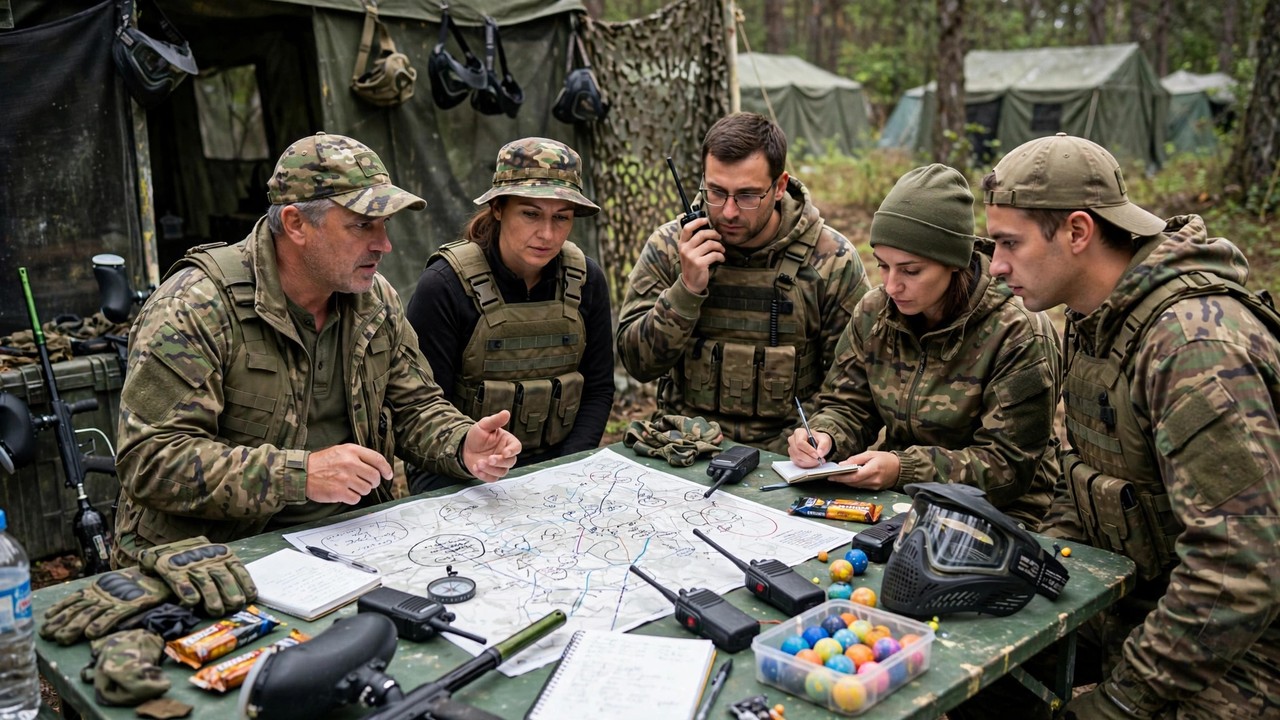
Scenario games generally come in two lengths. Single-day games run roughly eight to twelve hours during daylight. Twenty-four hour games run straight through the night and are considerably more intricate, because darkness changes what is possible and forces teams to hold ground they cannot easily see.
Both are scored on missions rather than eliminations. Your faction accumulates points by completing objectives, so a team can lose a lot of firefights and still win the event if it completes the right tasks. That is the single biggest mental adjustment for players coming from rec ball, where staying alive is the whole game.
Missions and the Chain of Command
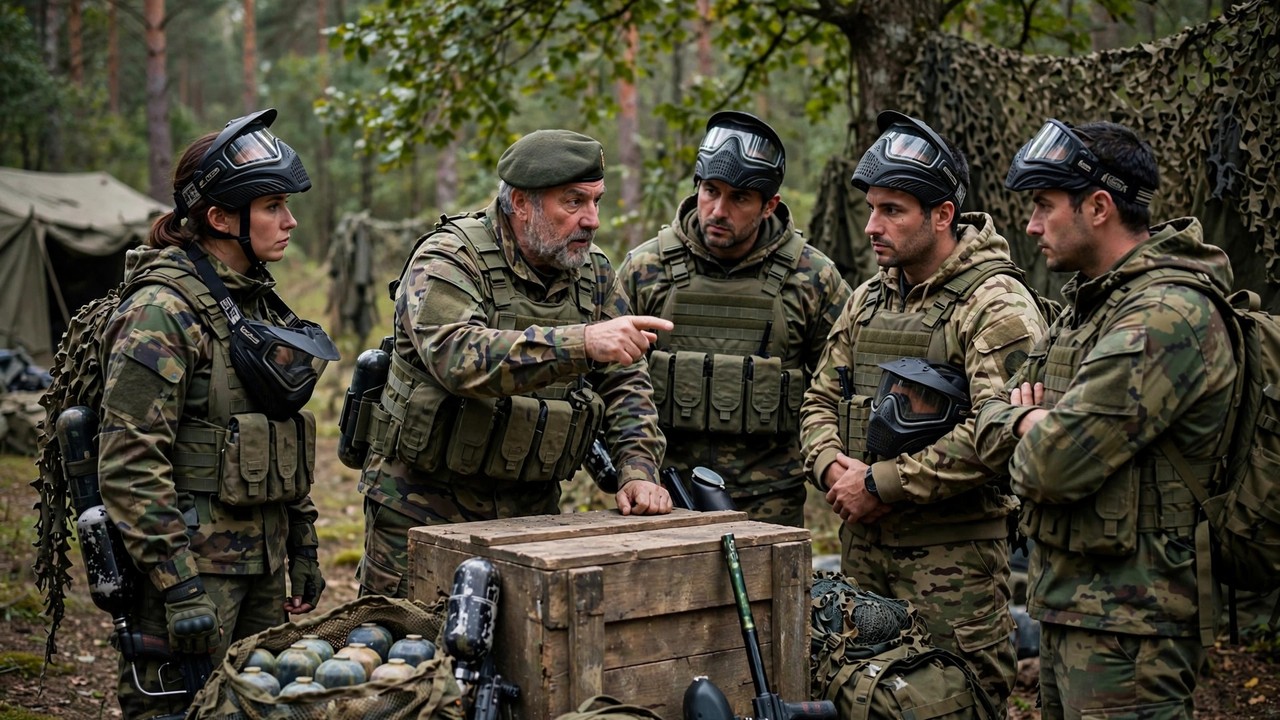
Missions are issued on a schedule. Typically they are called in every fifteen to twenty minutes during the day and every half hour at night, delivered by radio to your faction commander rather than to individual players. The commander then assigns squads to tasks.
Objectives range from the simple to the elaborate. A basic mission might be capturing a flag at a named location. A complex one can involve props that must be recovered, several locations that have to be held at once, or interactive non-player characters who only cooperate if you approach them correctly. Because missions arrive continuously, there is always something to do, which is why scenario games rarely feel like standing around.
Respawns and the Medic Rule
Unlike elimination games, scenario events use respawn systems so that getting hit does not end your day. You return to a designated respawn point, wait out a short penalty, and rejoin.
Many events add a medic rule on top of that. A designated teammate can put you back in the fight without you leaving the field, usually by wiping the hit or tying a bandage around your arm. It sounds like a small mechanic, but it changes tactics completely, because protecting your medic becomes as important as advancing.
What the Big Games Look Like
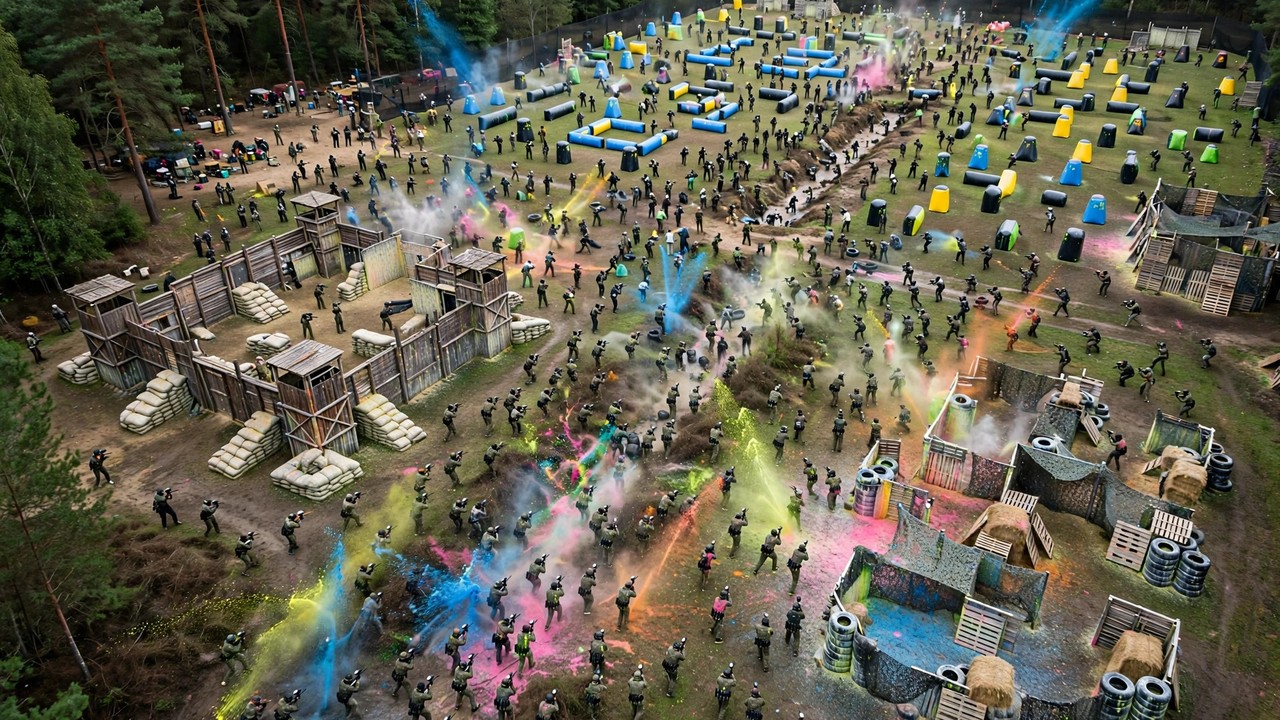
The scale of the largest events is genuinely hard to picture until you attend one.
- Oklahoma D-Day has a fair claim to being the biggest scenario game anywhere. Held every June in Wyandotte, Oklahoma, it recreates the Normandy landings across a 740-acre park, draws around 4,000 players a year with attendance climbing past 4,100 at its peak, and puts drivable tanks and other period vehicles on the field alongside standard markers.
- Living Legends, hosted by CPX Sports, is built around contestable territories. Each zone carries a Conquest Marker that shows which faction currently controls it, so the map visibly changes hands through the event.
- Castle Conquest at EMR is an asymmetric siege. At its twenty-first running, roughly 200 defenders held a three-storey castle against upwards of 800 attackers, with the attackers winning by removing any four of ten props from inside.
You do not need to start at that scale, and most players should not. Plenty of fields run smaller weekend scenarios with a couple of hundred players, which is a far better introduction to how missions and respawns actually work.
Gear for a Scenario Game
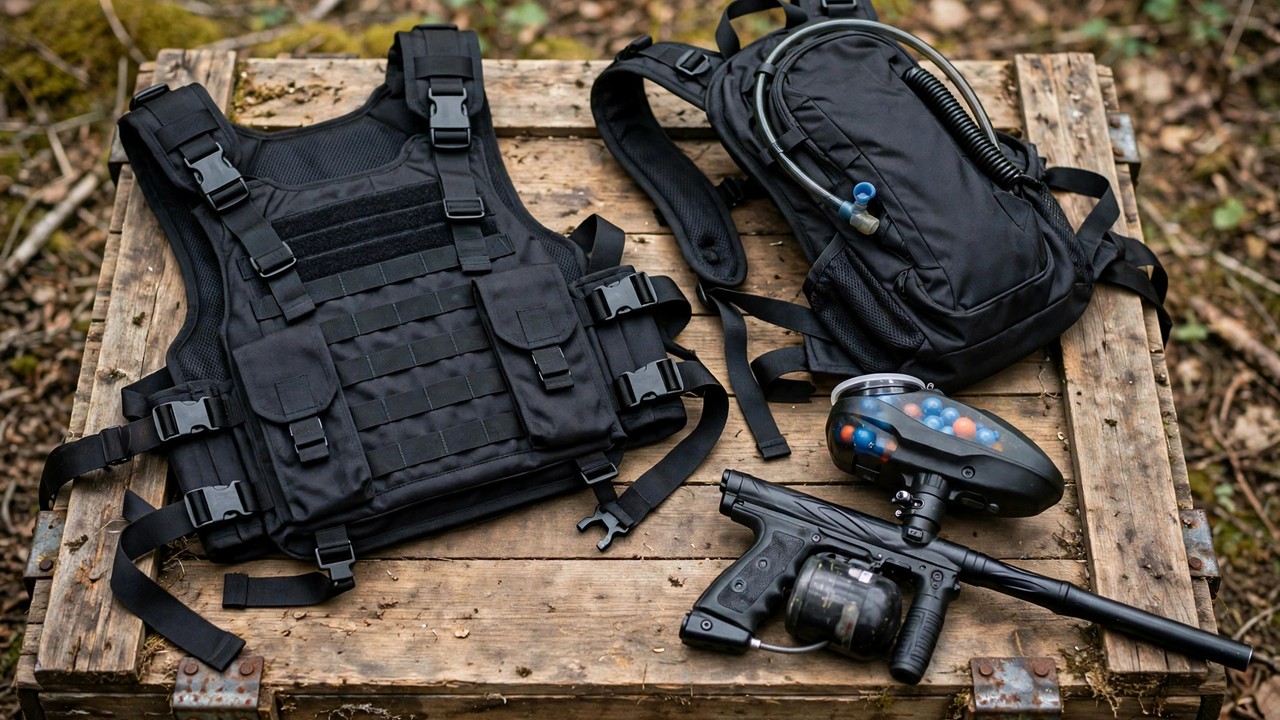
Scenario play is an endurance event, so the gear priorities shift away from raw performance and toward being able to keep going. Carrying capacity matters, because you cannot walk back to the staging area every twenty minutes on a large property.
- A reliable marker over a fast one. A jam at hour seven of a twelve-hour game is a real problem.
- A harness with enough pods and a spare air tank if the event allows it.
- Smoke and props where the rules permit, since screening movement across open ground is genuinely useful at this scale.
- Food, water and dry socks. Unglamorous, and the thing veterans mention most.
See our picks for the best woodsball paintball guns, the best paintball smoke grenades and how paintball grenades work. Our list of what to bring for paintball covers the basics.
Is Scenario Paintball for You?
Scenario suits players who enjoy the social and narrative side of the sport as much as the shooting. Because scoring is mission-based and respawns keep you in play, individual skill matters less than showing up, following the plan and staying useful for hours at a time. That makes it unusually welcoming to newer players.
It suits you less if you want short, intense, repeatable rounds. That is speedball. If you like the terrain and pace of scenario play but want stricter realism and a formal command structure, look at MilSim, and if you want the tactical feel on a normal game day, woodsball is the everyday version.
One practical note on the big events: they are the games players most want to film. If you plan to record a scenario weekend, our guide to the best cameras for paintball covers setups that survive a day of paint.
Frequently Asked Questions
Scenario paintball is a large-scale format where players join faction-based teams and complete storyline-driven objectives such as capturing territory, recovering props or defending positions. Events run all day or across a full weekend and are scored on missions rather than eliminations.
Single-day scenario games typically run eight to twelve hours during daylight. Twenty-four hour games run straight through the night and are considerably more intricate.
Missions are usually called in every fifteen to twenty minutes during the day and every half hour at night, delivered by radio to your faction commander, who assigns squads to them. Objectives range from capturing a flag at a location to recovering props or dealing with non-player characters.
Yes. Scenario events use respawn systems so getting hit does not end your day. Many also use a medic rule, where a designated teammate can put you back in the fight by wiping the hit or tying a bandage on your arm.
Oklahoma D-Day is widely described as the world’s largest scenario game. Held every June in Wyandotte, Oklahoma, it runs across a 740-acre park, draws around 4,000 players a year with peaks past 4,100, and features drivable period vehicles.