Last updated on September 28th, 2026 at 08:57 pm
Paintball is legal to play in all fifty US states, and paintball markers are not classified as firearms under federal law. The regulation that actually affects players happens one level down: state laws on who can buy and carry markers, and city ordinances on where they can be fired. That is exactly where the real rules live, and where people get into trouble.
Here is the honest legal picture for the United States, from the federal baseline to the local fine print.
The Federal Baseline: Not a Firearm

Federal firearm law defines a firearm around an explosive charge. A paintball marker propels its projectile with compressed gas, so it falls outside that definition, which is why you can buy one online without a background check and why TSA handles them as sporting equipment rather than firearms when you are flying with a paintball gun. That single fact is the foundation of the sport’s accessibility.
It is also where the simplicity ends, because states are free to regulate air-powered guns on their own terms, and several do.
State Laws: Age, Sales, and Carry
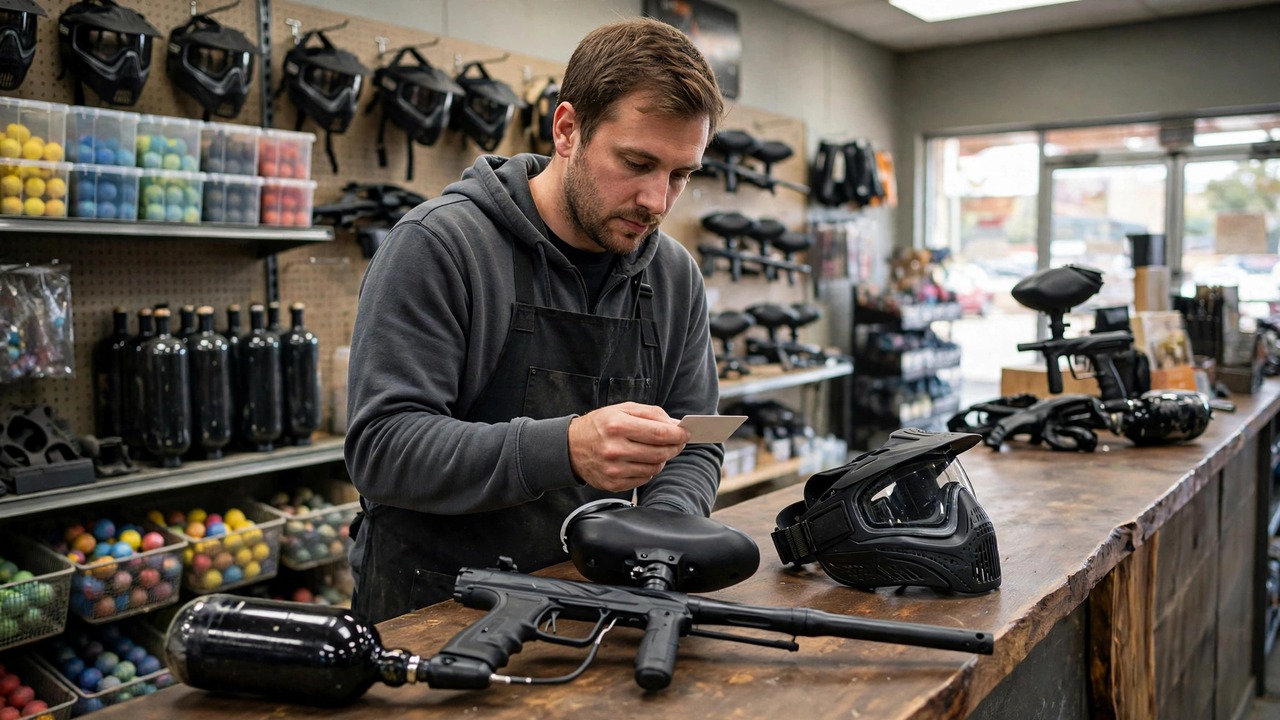
Most states treat paintball markers the way they treat BB and pellet guns, with rules clustering around three things:
- Purchase Age: retailers commonly require buyers to be 18, and a number of states restrict sales of air guns to minors without parental consent.
- Minor Possession: some states limit unsupervised possession by minors. New Jersey is the strict end of the spectrum: juveniles there face real legal exposure for possessing markers outside supervised settings.
- Carry in Public: carrying a marker openly in public, outside any recreational context, can support weapons charges in strict states. New Jersey again is the standard example, where intent and location matter enormously.
New York City deserves its own mention: the city heavily restricts air guns, and possessing or using a paintball marker there outside narrow licensed contexts is a genuine legal problem, stricter than New York State law generally. The pattern to remember is that dense urban jurisdictions regulate hardest. None of this affects playing at a commercial field, which operates with insurance and waivers precisely so that the legal questions are settled before anyone steps on the turf. Age rules for actually playing are a separate, simpler topic covered in our guide to how old you have to be to play paintball.
Local Ordinances: Where You Can Actually Shoot
The rule that trips up the most players is municipal. A large share of incorporated cities and towns have ordinances against discharging projectile weapons, often written broadly enough to include paintball markers, inside city limits. Owning the marker is fine; firing it in your yard may not be. This is the entire subject of our companion guide to backyard paintball, including how to look up your own city’s code in a few minutes.
Misuse Is Where Paintball Law Gets Serious
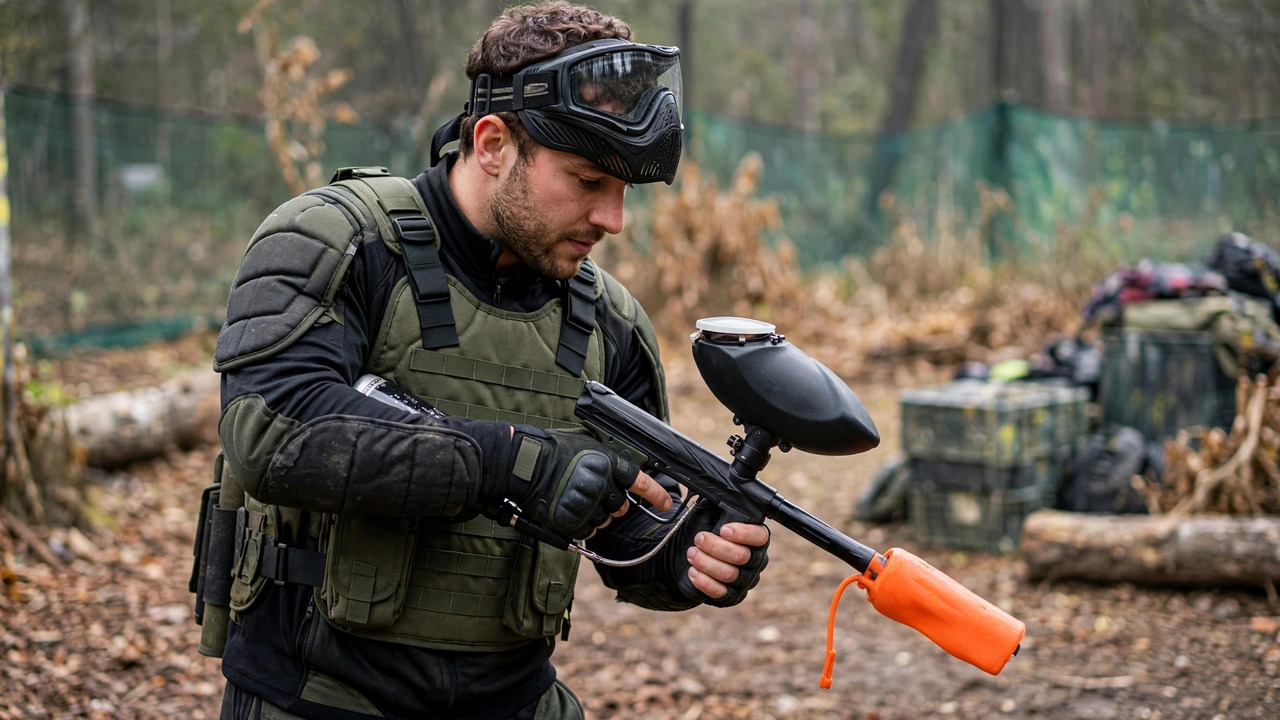
Every high-profile paintball legal case is a misuse case. Shooting at people who are not playing is assault in every state, and drive-by paintball shootings are prosecuted as exactly that, with felony charges appearing when injuries or targeting of vulnerable people are involved. Shooting at cars, houses, signs, or animals is criminal mischief, vandalism, or animal cruelty depending on the target. The marker being a toy in federal terms does not soften any of this; prosecutors charge the act, not the tool.
The flip side is reassuring: used where the sport is meant to happen, at fields, on private land with permission and safe conduct, paintball has an excellent legal record, the same way its safety record is excellent when masks stay on.
The Practical Rules to Live By

- Transport cased and out of sight, tank disconnected, as covered in our gear travel guide
- Never display or point a marker in public; many look convincingly real at a distance
- Check your city’s discharge ordinance before any private-land game
- Buyers under 18: bring a parent, both for store policy and state law
- When you travel interstate with gear, assume the strictest rules on your route apply
Laws change and this is general information rather than legal advice, so for anything with stakes, a quick check of your state’s current statute or a call to a local field, which deals with these rules daily, settles it. For most players in most places, the entire law of paintball fits in one sentence: buy it like an adult, carry it like luggage, and fire it only where the game belongs.
Frequently Asked Questions
Not under federal law, which defines firearms around an explosive charge. Paintball markers use compressed gas, so they are regulated as air guns, though some states and cities impose their own stricter rules.
Retailers commonly require buyers to be 18, and some states restrict sales to or possession by minors. In strict states like New Jersey, unsupervised possession by a juvenile carries real legal risk.
It is legal in many places but a bad idea everywhere, and in strict jurisdictions it can support weapons charges. Transport markers cased, out of sight, with the tank disconnected.
That depends on your city or county discharge ordinance rather than state law in most cases. Many incorporated cities prohibit discharging projectile devices inside city limits.
It is prosecuted as assault, and drive-by paintball shootings draw serious charges, including felonies when there are injuries. The marker's non-firearm status does not soften charges for misuse.