Last updated on September 28th, 2026 at 08:59 pm
Bunkering is the most aggressive move in paintball: sprinting up to the bunker an opponent is hiding behind and eliminating them at point-blank range over or around it. When it works it is spectacular, it removes a defender and their position in one stroke. When it fails, you have traded your body for nothing.
This guide covers when the move makes sense, how to execute it, and the etiquette that stops it turning ugly, because bunkering at close range is exactly where the surrender rule earns its keep.
When Bunkering Is the Right Move
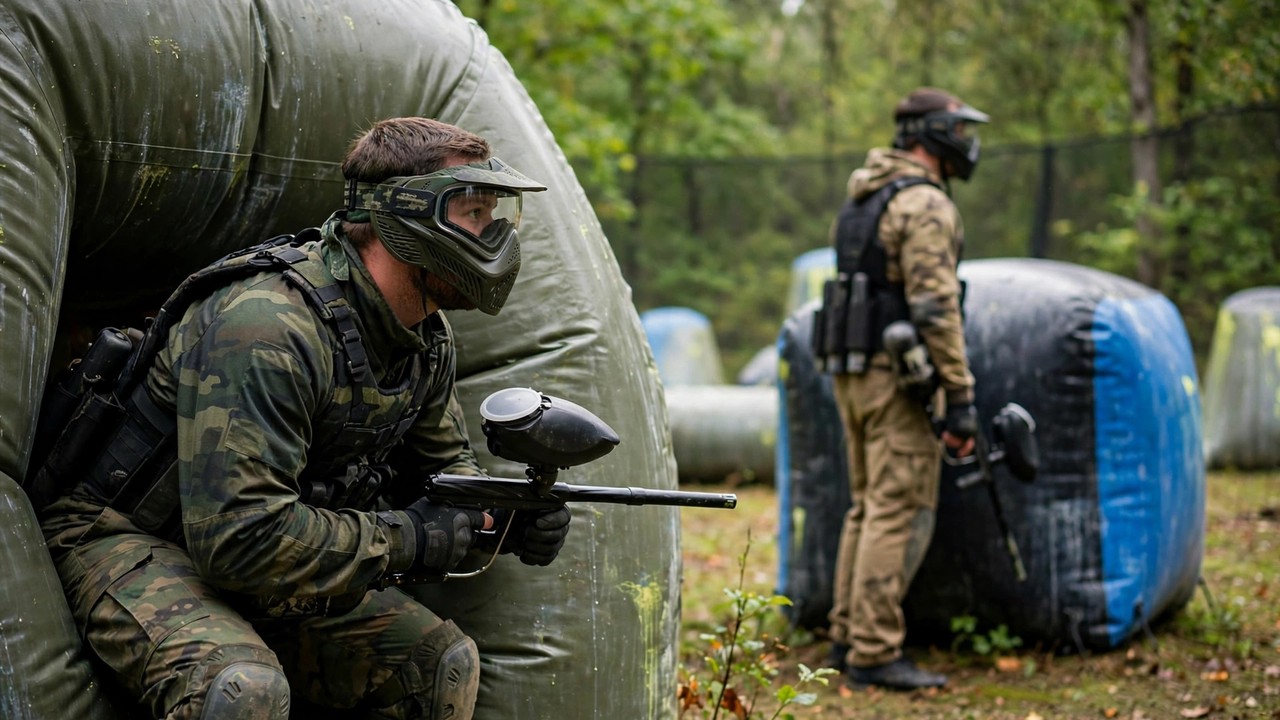
Bunkering is a solution to a specific problem: an opponent behind good cover who knows you are there, who cannot easily be shot out, and who is holding up your team’s advance. Trading a snap battle with them costs time your team may not have. Running them down ends it.
- You know exactly where they are, pinned and tight to their bunker, ideally confirmed by a teammate’s callout.
- They are occupied, trading paint with someone else or reloading, so their attention is not on your path.
- The distance is honest. One short sprint, not a forty-yard charge across open lanes.
- Your team can cover the run. A teammate putting paint on the bunker keeps the defender tucked in while you close.
Missing two or more of those conditions, the move is a donation. Late in a point with a numbers advantage, bunkering shines; early, with the field full of guns, it rarely survives the run.
How to Execute the Run
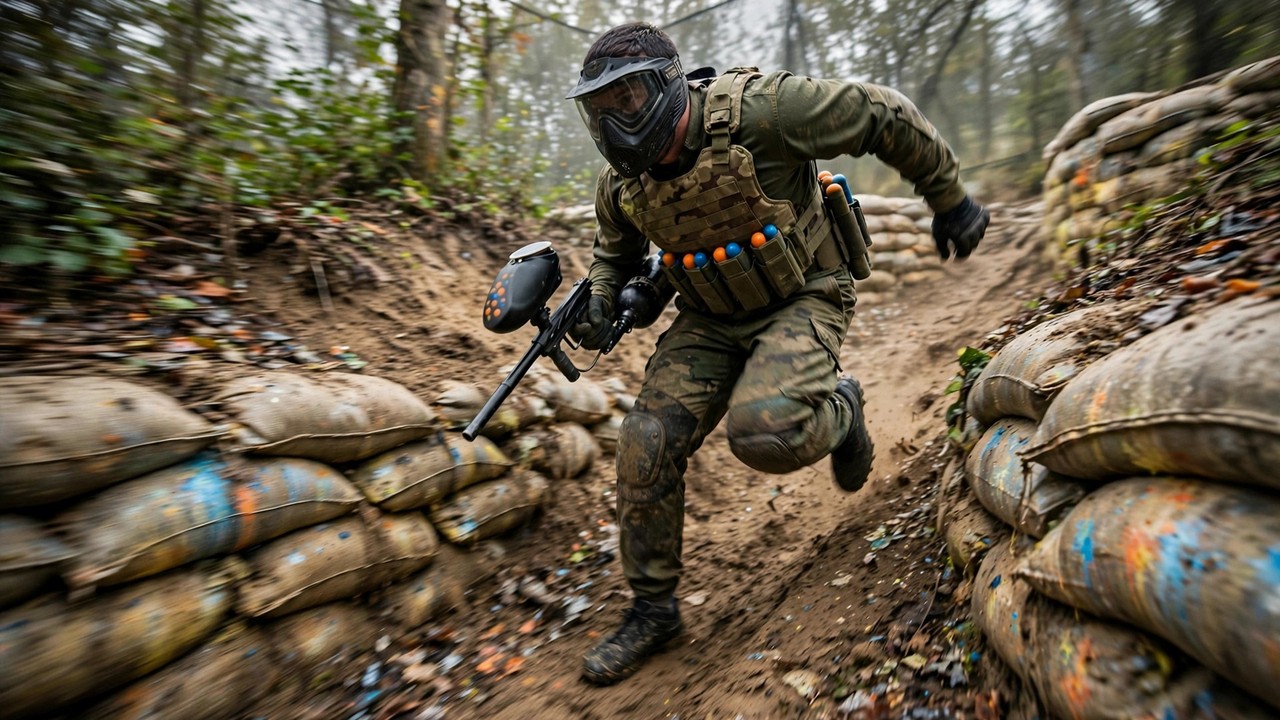
- Pick the side before you move. Decide which edge of their bunker you are coming around, based on which way they are facing. Changing your mind mid-run is how both of you end up surprised.
- Time the start. Go the moment their marker commits elsewhere, on your teammate’s covering paint if possible.
- Run with the marker up. Barrel forward, eyes on the bunker edge, so the shot is available the instant they appear.
- Shoot on the move or at arrival. As you round the edge, one or two shots at the mass of the player. At that range accuracy is not the problem; commitment is.
- Keep moving through. Do not stop at their bunker and admire it. Either take the position or continue to the next cover, because their teammates just watched everything.
Close Range: The Rules Part Matters
Bunkering happens inside the distances where paintballs genuinely hurt, which is why fields set minimum engagement distances and surrender rules. The sporting version of the move offers the surrender when the defender is clearly beaten and unaware: call it, give them the chance to walk. If they spin on you instead, you are generally clear to shoot.
What the move never justifies is overshooting. One or two balls eliminates a player at three feet; a full mechanical burst into someone’s back at that range is how fields eject people. The details live in the rules of paintball and paintball etiquette, and if you are on the receiving end, how badly paintballs hurt covers what close hits actually feel like.
Reading Whether You Are About to Be Bunkered
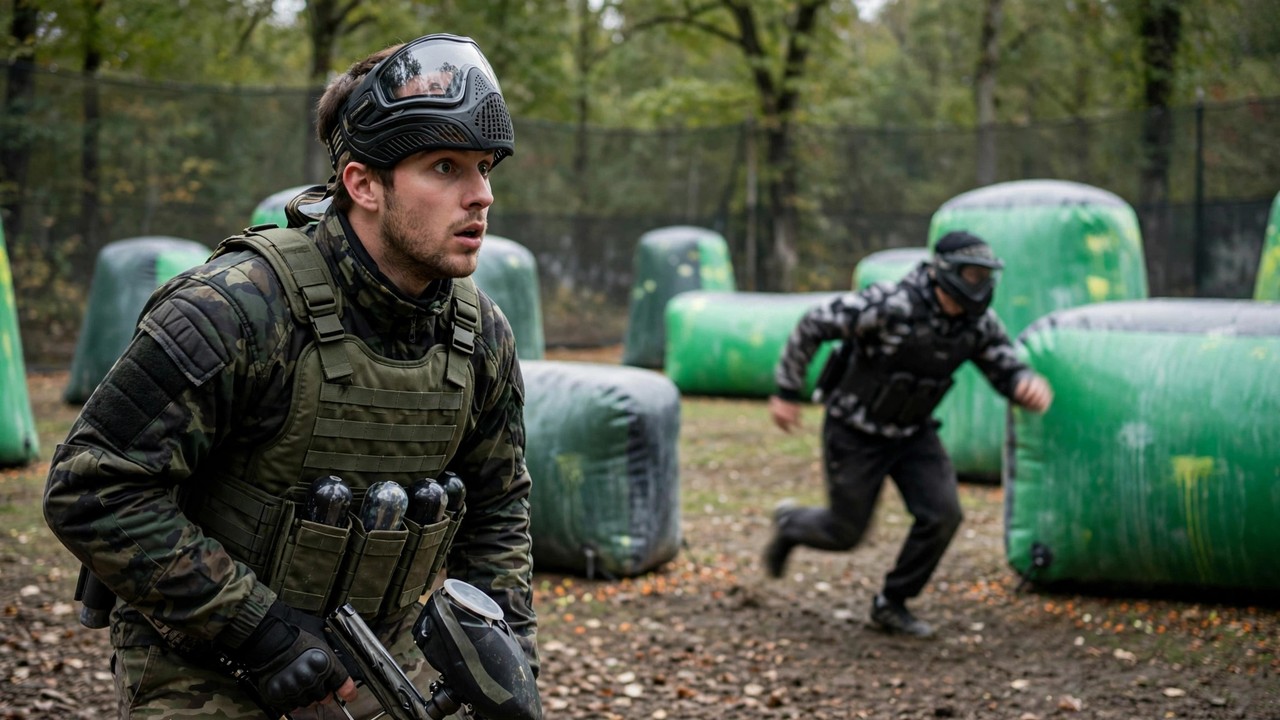
The defence against bunkering is awareness. If you have been tucked in tight for several seconds while paint hammers your bunker, assume someone is moving on you, because that hammering is usually the cover fire. Break the pattern: change your height, peek the off-side edge, or call for a teammate’s eyes. A defender who snaps out at the right moment turns the bunkering run into an easy elimination, since the runner is committed, upright and in the open.
Sound is the other tell. Footsteps you can hear over your own marker are close, and close means now.
Where Bunkering Fits in Your Game
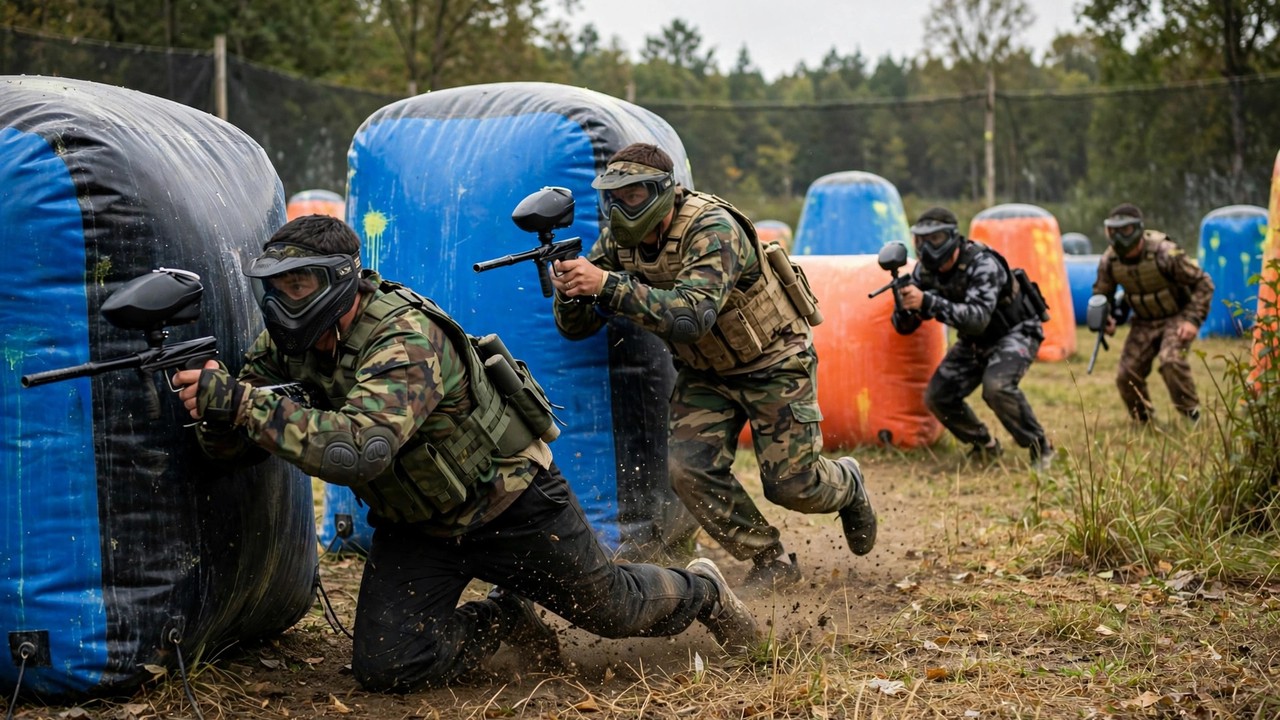
Bunkering is a finishing move, not a play style. The players who use it best spend most of the point on fundamentals, positioning, snap shooting and communication, and produce the run only when the conditions line up. Watch the balance of a point: eliminations early, aggression late.
For the moving skills underneath it, see bumping between bunkers, and for the bigger picture, how to win at paintball.
Frequently Asked Questions
Bunkering is sprinting up to the bunker an opponent is behind and eliminating them at close range over or around it. It removes a defender and their position in one move, at the cost of exposing yourself completely during the run.
When you know exactly where they are, they are occupied or reloading, the sprint is short, and a teammate can put covering paint on their bunker. Missing two of those conditions, the run is usually a donation.
At most recreational fields, yes, inside the minimum engagement distance. Call the surrender when the defender is clearly beaten; if they spin on you instead, you are generally clear to shoot. One or two balls is enough at that range.
If paint has hammered your bunker for several seconds while you are tucked in tight, assume someone is moving on you. Change height, peek the off-side edge, and listen: footsteps you can hear over your marker are close.
As a finishing move, yes. Late in a point, with a numbers advantage and cover fire, it ends stalemates instantly. As a habit early in points it mostly trades your body away.