Last updated on September 29th, 2026 at 04:55 am
Magfed paintball means playing with a marker that feeds from a detachable magazine instead of a hopper. That one change removes the thing most players rely on without noticing: volume. Instead of carrying hundreds of paintballs and shooting freely, you carry a handful of magazines and have to think about reloads, positioning and shot discipline.
This guide covers magazine capacity, how magfed changes the way a game plays, First Strike rounds, and the rules fields apply to magfed play. For how it fits alongside the other formats, see our guide to the types of paintball.
How Much Paint a Magazine Holds
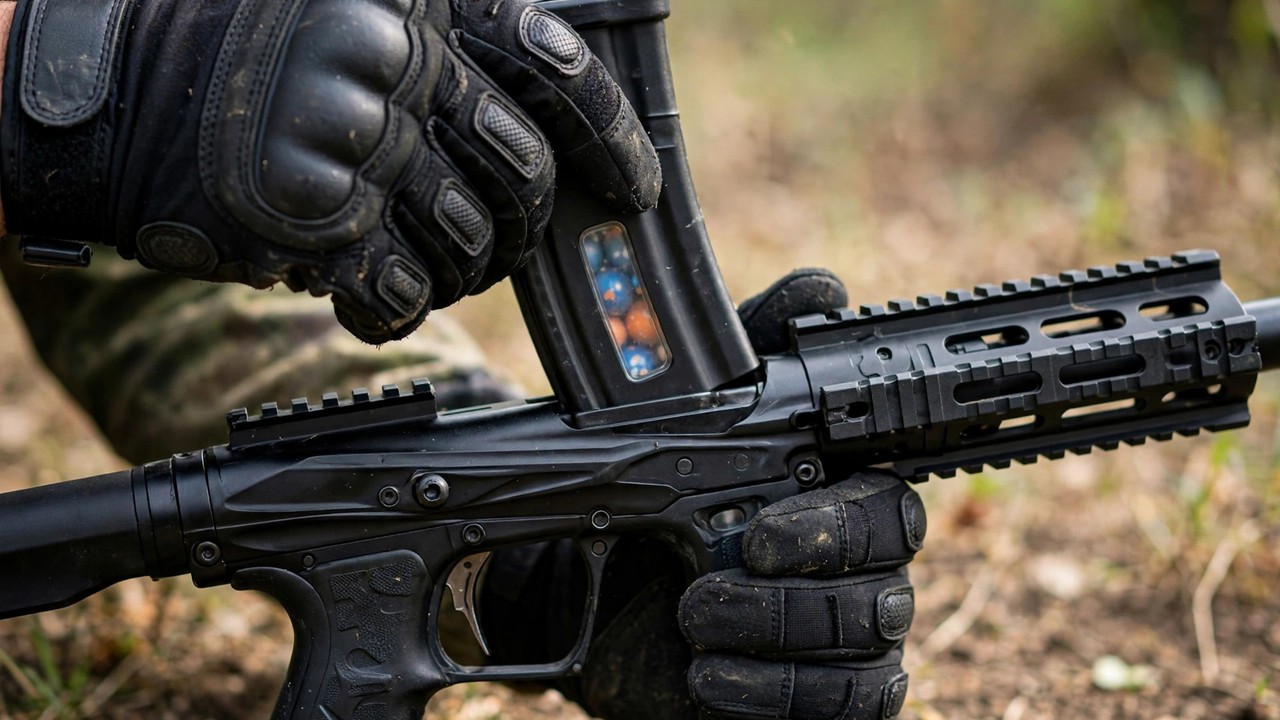
Standard magazines hold roughly ten to twenty rounds of .68 caliber paint. Some markers accept drum-style magazines that hold considerably more, but purists tend to avoid them, because the limited-ammo constraint is the entire point of the format.
To put that in perspective, a hopper commonly holds around two hundred paintballs. A magfed player walking onto the field with five magazines is carrying about half of one hopper. That is the adjustment, and it is a large one.
How Magfed Changes the Way You Play
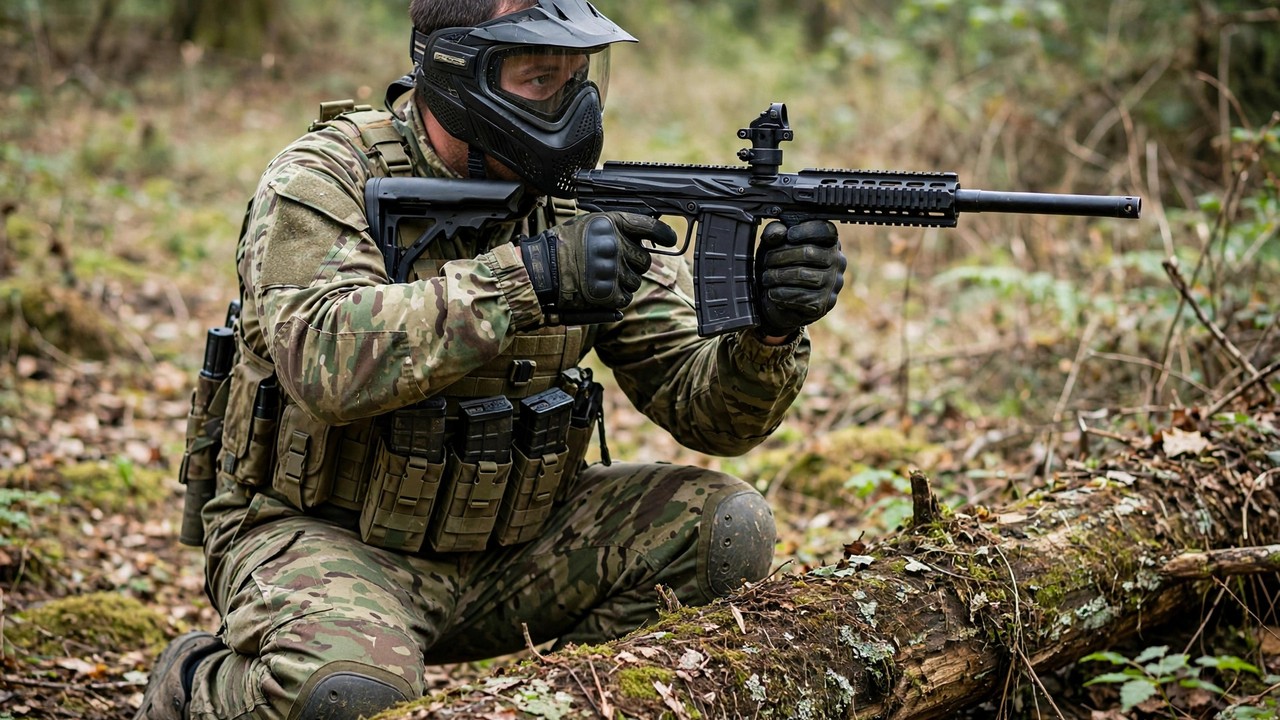
Traditional paintball, especially speedball, is built around rate of fire. Players routinely send several hundred rounds per minute downrange, which is only achievable with a hopper feeding an electronic trigger. Magfed removes that option entirely.
- Shots become decisions. You take the shot you are confident in rather than the one that might work.
- Reloading becomes tactical. Changing a magazine takes time and usually means breaking your firing position, so you learn to do it behind cover and before you are empty.
- Movement matters more. Without volume to pin an opponent, getting a better angle becomes the way you win an exchange.
- Games slow down. Two magfed players in a standoff behave very differently from two players with hoppers.
This is why magfed pairs so naturally with MilSim and tactical woodsball, and why many players describe it as the format that made them a better shot.
First Strike Rounds
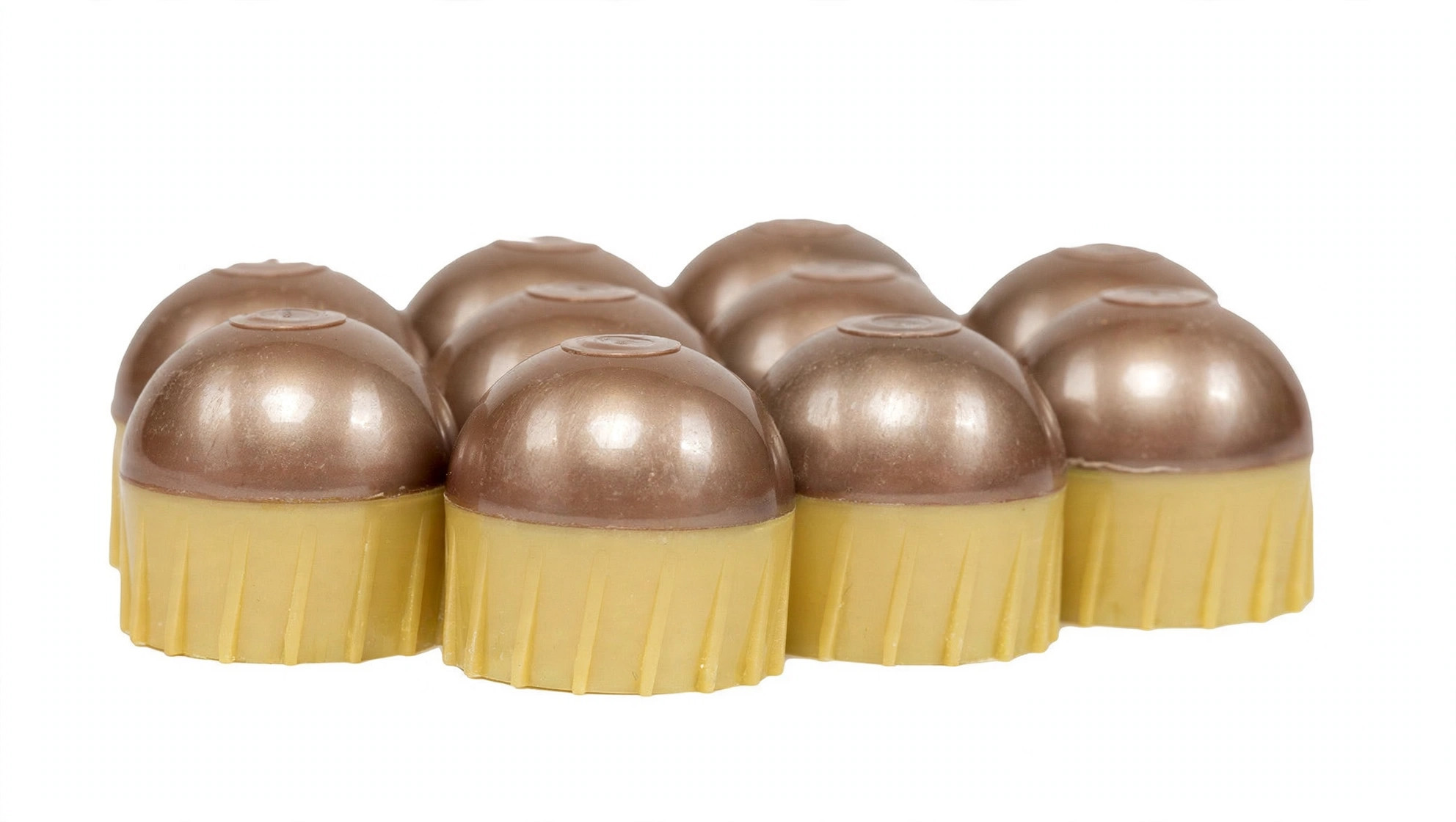
One genuine advantage magfed markers hold over hopper-fed guns is the ability to shoot First Strike rounds. These are not standard paintballs. They are fin-stabilised, shaped projectiles with a polycarbonate shell and a rear fin assembly that makes the round spin as it travels, much like a rifled bullet.
The range difference is significant. A regular paintball is realistically accurate to around fifty or sixty feet. A First Strike round can reach past a hundred feet with consistency. They are designed to work with rifled barrels and with the controlled single-feed mechanism a magazine provides, which is exactly why a hopper cannot use them reliably.
The Rules Fields Apply to Magfed

Magfed-only games usually carry their own ruleset, and it is worth knowing before you turn up. Common rules include the following.
- No hoppers. In magfed-only play, hoppers and Tac Caps are not permitted, since allowing them defeats the format.
- Chrono with what you shoot. First Strike rounds are generally allowed, but if you are using them you must chronograph with them rather than with standard paint.
- No bunkering with First Strike. Because of the range and construction of the round, a minimum engagement distance of around thirty feet is typically enforced and close bunkering is prohibited.
Rules vary between fields, so confirm the local ruleset. The minimum engagement distance in particular is a safety rule, not a formality.
Magfed Is Not the Same as MilSim
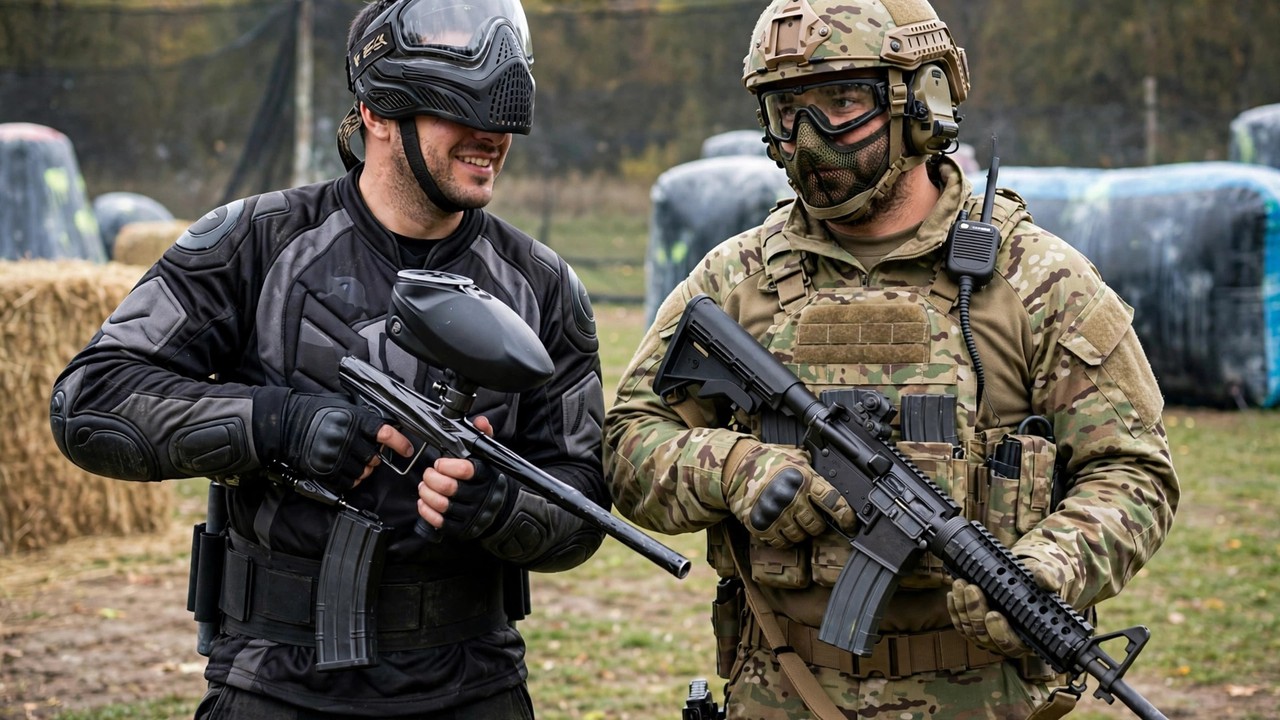
These two get used interchangeably and they should not be. Magfed describes how a marker is fed. MilSim describes a style of event built around realistic tactics, a chain of command and issued ammunition.
You can take a magfed marker to a casual woodsball day, and you can run a MilSim event without requiring magfed at all, though many organisers do require it precisely because it enforces ammunition discipline for them.
Getting Started With Magfed
Start with more magazines than you think you need. Most players underestimate this, run dry early, and conclude the format is frustrating when the real problem was carrying three magazines instead of six. Load-bearing gear to hold them is the other early purchase.
Beyond that, the marker matters less than people expect at first. Our roundups of the best paintball markers and the best woodsball paintball guns cover suitable options, and our explainer on how a paintball gun works is useful background on feeding systems.
Is Magfed for You?
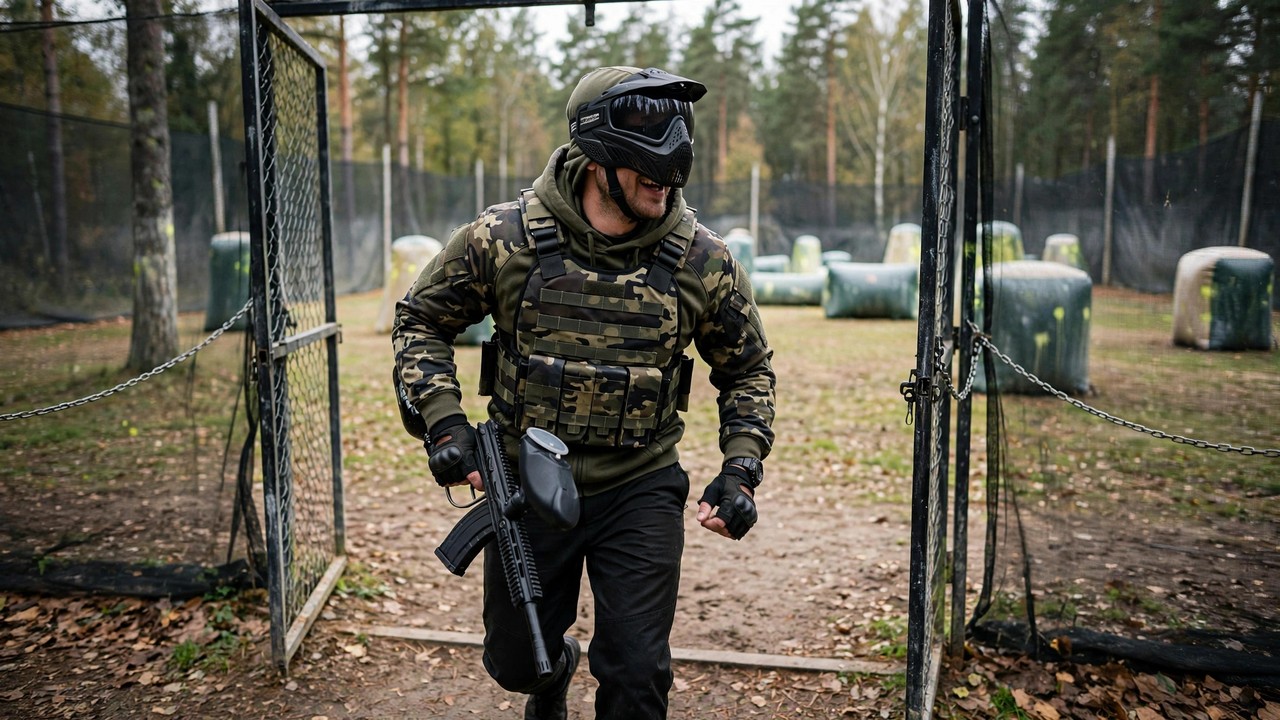
Magfed suits players who would rather make ten good shots than a hundred rushed ones, and who enjoy the tactical, slower side of the sport. It also has a practical appeal: you get through far less paint, so a day of magfed often costs less than a day of hopper-fed play.
It suits you less if you want constant action from the opening horn. For that, speedball is the format built around it, while woodsball sits comfortably in between.
Frequently Asked Questions
Magfed paintball uses a marker that feeds from a detachable magazine instead of a hopper. Because you carry far less paint, the format rewards shot discipline, positioning and planned reloads rather than volume of fire.
Standard magazines hold roughly ten to twenty rounds of .68 caliber paint. Drum-style magazines hold more, but many players avoid them because the limited-ammo constraint is the point of the format. A typical hopper, by comparison, holds around two hundred paintballs.
First Strike rounds are fin-stabilised, shaped projectiles with a polycarbonate shell and a rear fin assembly that makes them spin in flight like a rifled bullet. They are designed for rifled barrels and the single-feed mechanism a magazine provides.
A standard paintball is realistically accurate to around fifty or sixty feet. A First Strike round can reach past a hundred feet with consistency, which is the main reason players choose them.
No. Magfed describes how the marker is fed, using magazines instead of a hopper. MilSim describes a style of event built around realistic tactics and a chain of command. Many MilSim events require magfed, but you can play magfed casually and run a MilSim without it.