Last updated on August 28th, 2026 at 06:46 pm
If you’re thinking about trying paintball, this is usually the first question: how bad do paintballs actually hurt? The honest answer, yes, a paintball stings, but far less than most beginners fear. A hit feels like a quick, sharp snap of a rubber band or a hard flick, and the sting fades within seconds. Some hits you barely notice; a close-range shot on bare skin is the one that leaves a welt. How much it hurts depends on a few things you can largely control.
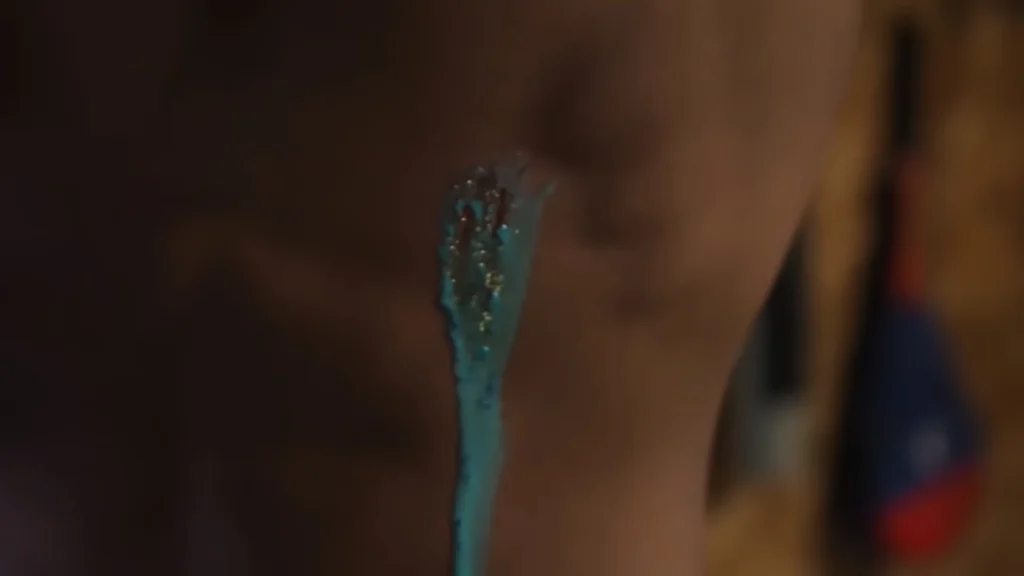
So How Much Does a Paintball Hit Actually Hurt?
A paintball is a soft gelatin capsule filled with water-based dye, roughly .68 inches across and weighing about 3 grams. Fields cap marker velocity at around 280–300 feet per second, and that limit exists specifically to keep hits within a safe, tolerable range. When one hits, you feel a sharp sting for a second or two that settles into a brief warm, throbbing sensation. Through clothing you often barely register it; on exposed skin at close range it can raise a welt or a small bruise that fades in a few days. It is nowhere near as bad as the word “gun” makes it sound, people of all ages play every weekend.
What Affects How Much a Paintball Hurts
Four things decide whether a hit is a non-event or the one you remember:
Velocity
The faster the ball is travelling, the more energy it carries and the more it stings. This is exactly why fields chronograph markers and enforce a velocity limit, a marker shooting within the limit hits within a predictable, tolerable range.
Distance
A paintball loses speed as it flies, so distance is your friend. A hit from across the field is gentle; the same shot from a few feet away, before the ball has slowed, is what raises a welt. Close-range hits are the ones players remember.
Where It Lands
Areas with thin skin over bone, fingers, knuckles, ears, neck, collarbone, sting the most, because there’s little cushion between the impact and the bone. Padded areas like the thighs, back, and chest barely register, especially through clothing.
What You’re Wearing
This is the biggest factor you control. A loose hoodie and gloves absorb a remarkable amount of impact and turn most hits into a dull tap. Bare skin is the only place a paintball really bites.

Ways to Reduce the Pain of Getting Hit
None of this means playing timidly, it’s mostly about what you wear and keeping a little distance.
- Wear layers. A hoodie over a t-shirt, plus loose long pants, absorbs most of the sting. Loose clothing beats tight.
- Cover your hands. Padded gloves remove the single most painful hit in the sport.
- Protect your head and neck. A full-face paintball mask is mandatory anyway, a good one also covers your ears and the sensitive area around them.
- Keep your distance and call your hits. A hit at 40–50 feet is mild; players who don’t call the first hit just invite a second and third.
- Consider low-impact paintball. It uses .50 caliber rounds about a third the weight of standard paintballs, noticeably gentler, and great for kids or nervous first-timers.
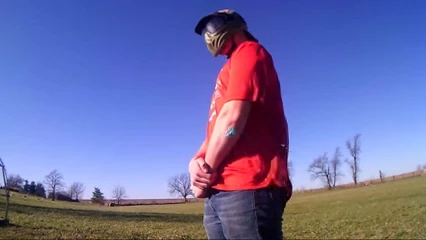
Is Paintball Actually Dangerous?
The sting is temporary, but one rule is non-negotiable: never remove your mask on the field. A paintball to an unprotected eye can cause serious injury, which is why eye protection is mandatory at every reputable field. Beyond that, welts and small bruises are the normal extent of it, and proper clothing prevents most of those. If a hit ever leads to severe pain, a lump, or an injury to the eye, see a doctor, but for the ordinary sting, it’s simple to treat at home.
Does Everyone Feel Paintball Hits the Same?
Pain tolerance varies a lot from person to person, so two players can take the same hit and rate it very differently. Body type plays a part too, a hit lands harder on a bony area than on a padded one, as does adrenaline, which genuinely dulls the sting in the heat of a game. Many first-timers are surprised to find that the hits they dreaded barely register once they’re caught up in playing.
Getting over the Fear of Getting Hit
For a lot of newcomers, the fear is worse than the reality. The best cure is simply playing: after the first couple of hits, most people realise the sting is brief and manageable, and they stop flinching. Dressing well, loose layers, gloves, and a good mask, removes most of the memorable hits, and starting at a relaxed pace lets you build confidence before throwing yourself into close-range firefights.
Final Words
So, how bad do paintballs hurt? Enough to make you flinch the first time, not enough to keep most people from coming back. A hit is a quick sting that fades in seconds, and with a hoodie, gloves, and a bit of distance you’ll take very few memorable ones. Wear the right gear, keep your mask on, and the fun far outweighs the sting. See our guide to paintball protective gear before your first game.
FAQs
It feels like a sharp flick or the snap of a rubber band, a quick sting that fades within a second or two into a brief warm throb. Through clothing you often barely feel it; a close-range hit on bare skin is the one that leaves a welt.
Much less. Clothing, especially loose layers like a hoodie, absorbs a lot of the impact and turns most hits into a dull tap. Bare skin is where a paintball actually stings, so covering up is the easiest way to reduce the pain.
Wear loose layers and padded gloves, keep a full-face mask on, and keep some distance from opponents, a hit loses its sting as the ball slows down. For kids or nervous players, low-impact .50 caliber paintball is noticeably gentler.
The most painful spots are areas with thin skin over bone, fingers, knuckles, ears, neck, and collarbone, because there’s little cushion there. Hits to the thighs, back and chest usually land as a dull thud rather than a sting, particularly through a layer or two of clothing.