Last updated on August 28th, 2026 at 06:48 pm
A standard .68 caliber paintball weighs about 3 to 3.5 grams, roughly 3.2 grams on average. Smaller .50 caliber low-impact paintballs weigh around a third of that, about 1 gram. A paintball’s weight is set by its caliber and build, not by anything like location, and it directly affects how the ball flies and how hard it hits. Here’s the full picture.
- .68 caliber (standard): ~3–3.5 g (about 3.2 g average).
- .50 caliber (low-impact): ~1 g.
- Set by: the ball’s size and build, consistent across a good batch.
The Standard: About 3 Grams
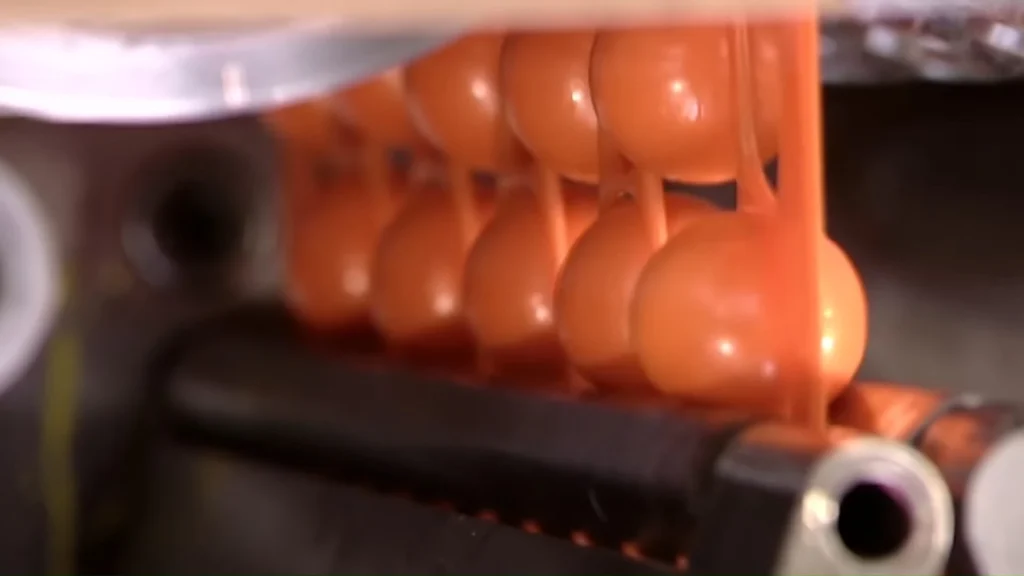
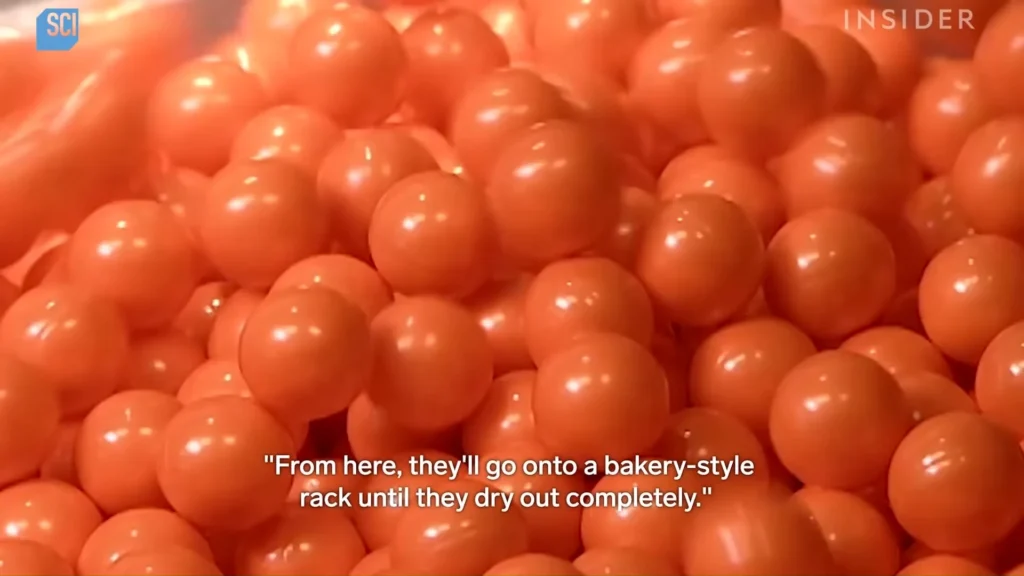
The vast majority of paintball is played with .68 caliber paint, and those balls weigh roughly 3 to 3.5 grams each, call it 3.2 grams as a working average. Quality paint is consistent from ball to ball, which matters because uniform weight means uniform flight. Cheaper or older paint varies more, and a ball that has absorbed moisture will be heavier and out of round.
Low-Impact .50 Caliber Paint
The other common size is .50 caliber low-impact paint, used for younger players and beginner sessions. These weigh about a third of a standard paintball, around 1 gram, which is exactly why they sting far less. The lighter, smaller ball carries less energy, making it ideal for kids and nervous first-timers.
Why a Paintball’s Weight Matters
Weight is part of what makes a paintball hit and fly the way it does. A heavier ball carries more energy and momentum, so it stings more and resists wind a little better; a lighter ball carries less and is gentler on impact. Just as important, consistent weight across your paint means every ball behaves the same, which is a big part of accuracy. That’s also why moisture is a problem, a ball that has swelled with humidity weighs more, flies differently, and is likely to break in your barrel.
Paintball Sizes and Calibers
- .68 caliber (standard): the usual size, about 3–3.5 grams.
- .50 caliber (low-impact): smaller and lighter at around 1 gram, used for kids and beginners.
- .43 / .50 pistol rounds: some pistols and trainers use these smaller calibers, which weigh less again.
Weight, Energy, and the Velocity Limit
Fields cap markers by velocity (FPS), not weight, usually 280–300 FPS. A standard-weight .68 ball fired at that limit carries a known, safe amount of energy: enough to sting but not injure. Because a hit’s energy rises with mass, a heavier ball at the same speed stings more, which is exactly why lighter low-impact paint hurts less.
The Exact Numbers by Caliber
If you want precise figures, here’s how the two common calibers compare:
- .68 caliber (standard): about 17.3 mm across, weighing roughly 3.0–3.5 grams.
- .50 caliber (low-impact): about 12.7 mm across, weighing around 1.2–1.5 grams, close to a third of a standard ball.
Weight and Impact Energy
Weight is what turns into sting. A standard .68 paintball strikes with around 13 joules of energy, while a low-impact .50 ball delivers only about 5 joules. That large gap in energy, a direct result of the weight difference, is exactly why low-impact paintball hurts so much less and suits younger or nervous players.
Does Weight Affect Accuracy?
Yes, but consistency matters more than the number itself. When every ball weighs the same, they all fly the same way, which is the foundation of an accurate stream. That’s why moisture is such a problem: a ball that has swelled with humidity weighs more, sits out of round, and flies unpredictably, so it breaks in the barrel or drifts off target.
Why the Standard Settled on .68 Caliber
For decades, .68 caliber has been the universal standard for paintball, and nearly every field, marker, and bag of paint is built around it. Its size and roughly three-gram weight strike a balance the sport has settled on: heavy enough to fly with authority and break reliably on impact, but not so heavy that a hit becomes unsafe within the velocity limits fields enforce.
The lighter .50 caliber exists for a specific reason, lowering the sting so newcomers, kids, and cautious players can enjoy the game. Because a .50 ball carries so much less energy, it has become the standard for low-impact sessions and birthday parties. The trade-off is that lighter paint is affected more by wind and carries slightly less consistently, which is why competitive and recreational adult play sticks with .68.
Are All Paintballs the Same Size?
Almost, but not exactly. All .68 caliber paintballs are built to roughly the same 17.3 mm diameter, but the precise size varies slightly between brands and even with temperature, which is why serious players match their paint to their barrel bore for the best fit. Within a quality batch the balls are highly consistent; it is cheaper or older paint, and paint that has absorbed moisture, that drifts off the standard size and starts to cause feeding and accuracy problems.
Why Weight Is Regulated in Tournaments
In serious play, consistent weight isn’t just a performance nicety, it’s part of what keeps the game fair and safe. Paint that’s uniform in size and weight flies predictably for everyone and breaks reliably on impact, while wildly over- or undersized paint would behave erratically and could even be unsafe at the field’s velocity limit. That’s why quality control at the factory grades paint so tightly, and why fields insist you use their tested, consistent paint rather than a random mix.
Conclusion
A standard .68 caliber paintball weighs about 3 to 3.5 grams, while low-impact .50 caliber paint weighs around 1 gram, determined by caliber and build, not location. Heavier balls hit harder and fly steadier, and consistent weight is key to accuracy. Keep your paint fresh and dry so every ball weighs and flies the way it should.
FAQs
Expect roughly 3.2 grams for a standard .68 caliber ball, with most falling between 3 and 3.5 grams depending on the brand and the batch. Low-impact .50 caliber paintballs weigh around 1 gram, which is why they sting much less and suit younger players.
Mostly because of caliber, .68 paint is about 3 grams and .50 low-impact paint about 1 gram. Within the same caliber, quality paint is consistent, but old or moisture-swollen balls weigh more and fly poorly, which hurts accuracy.
Yes. A heavier ball carries more energy and momentum, so it hits harder and resists wind slightly better, while a lighter one is gentler. Consistent weight across your paint is also essential for accuracy, since every ball then behaves the same.